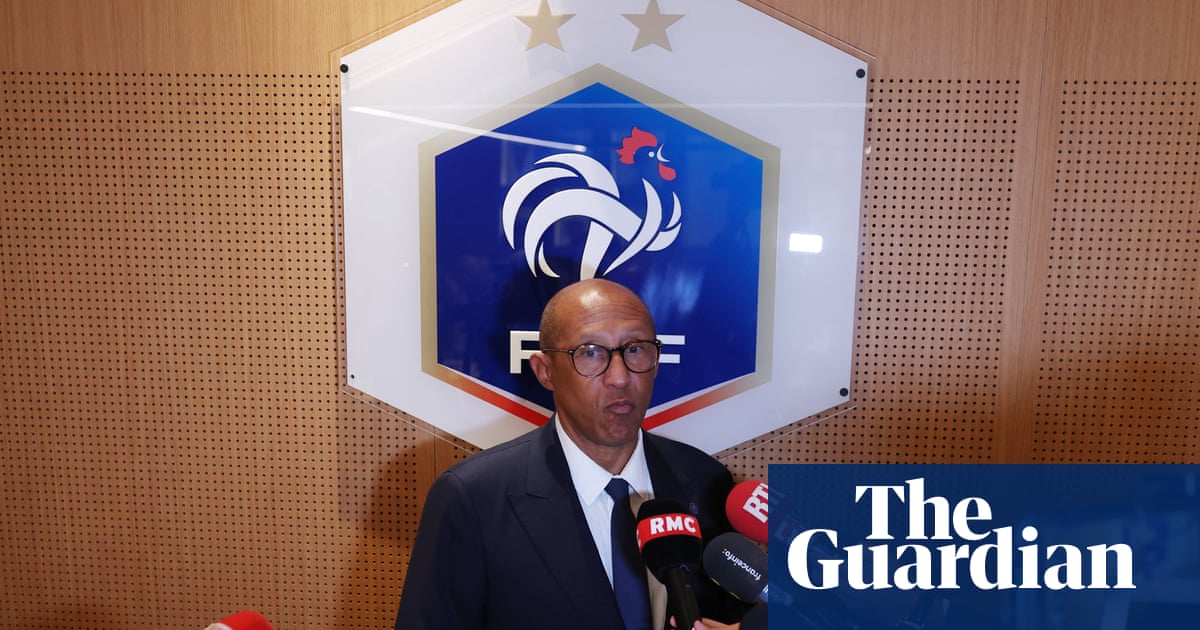
Philippe Diallo, president of the French Football Federation, has emerged as a possible UEFA-backed challenger to Gianni Infantino in FIFA’s presidential election, with the European body racing to settle on a candidate before Wednesday’s nomination deadline. Diallo’s candidacy had not been formally confirmed, and UEFA was still considering its options as its executive committee prepared to discuss the matter. Any UEFA-backed choice would also require the support of its 55 member associations.
The election is scheduled for 18 March 2027 at the FIFA Congress in Rabat, Morocco. Candidates must submit nominations supported by at least five FIFA member associations by 18 November 2026. Infantino is seeking another term, while Ramon Vega of Switzerland and Kozo Tashima of Japan have also declared their intentions to run.
Diallo became a potential standard-bearer after efforts to recruit a prominent former player or manager failed to produce a candidate. Former France players Mikaël Silvestre and Didier Drogba were also linked with the search, but neither emerged as a viable challenger.
France’s break with Infantino followed a dispute over FIFA’s proposed FIFA Forward Enterprise, a commercial structure that would have opened rights connected to the World Cup and other competitions to outside investors. The plan was abandoned after opposition from UEFA and other football bodies, but the French federation said the episode exposed wider governance and transparency problems. On 10 September, its executive committee unanimously withdrew support for Infantino’s re-election, reversing the backing it had given him on 29 June when he was the only declared candidate.
Diallo said the change reflected a loss of confidence in the way world football was being run. In a September interview, he argued that Infantino’s initiatives during and after the 2026 World Cup had damaged football’s image and unity, and said trust had been broken. He also pointed to disputes surrounding the tournament, including the reversal of Folarin Balogun’s suspension after intervention from U.S. President Donald Trump and the extension of halftime during the final.
The leadership contest now turns on whether UEFA can convert its opposition into a formal candidacy before time expires. Infantino has responded to the governance backlash by proposing an independent review of FIFA’s decision-making framework and a structured consultation with confederations and member associations. That response has not resolved the challenge facing UEFA, which must still identify a candidate, secure federation endorsements and complete the required nomination process before the election moves to Rabat.