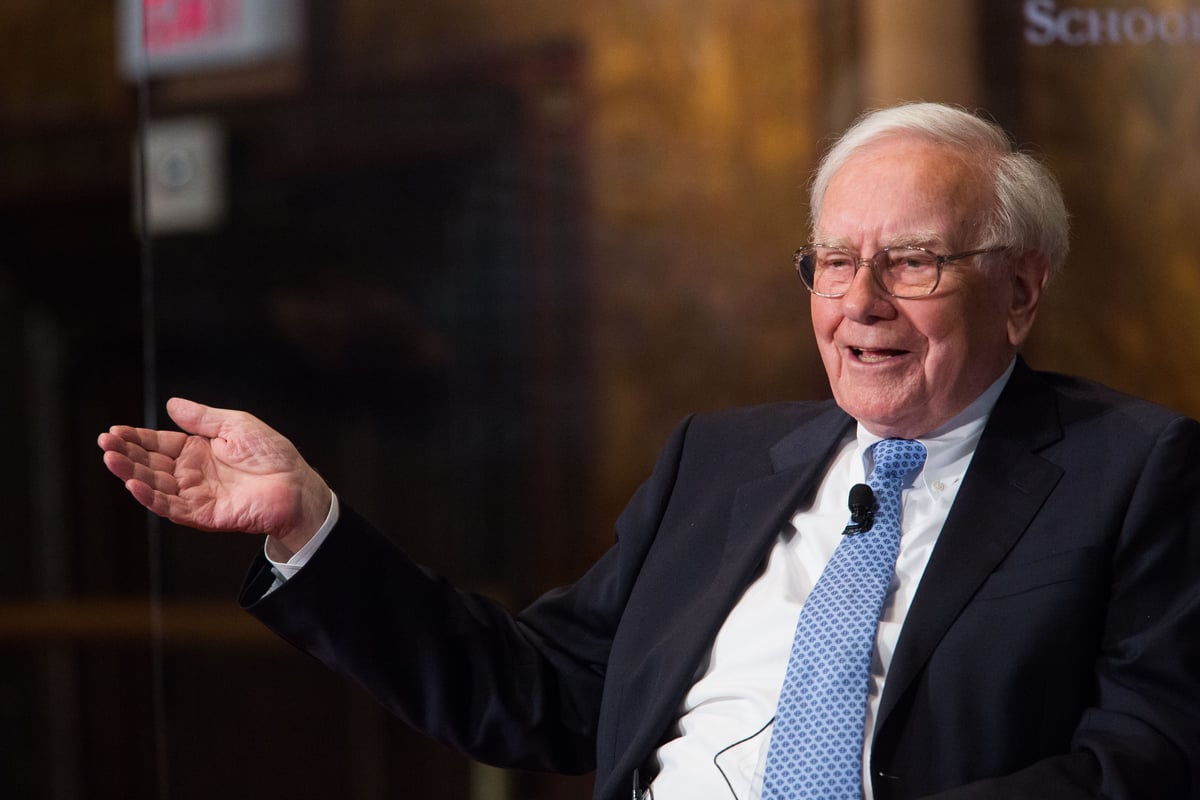
Berkshire Hathaway’s leadership transition is now fully in place, with Greg Abel running the company and Warren Buffett serving as chairman emeritus. Buffett, has become chairman. Decker remains the lead independent director, creating a structure that separates daily management, board leadership and stewardship of Berkshire’s culture.
Abel became chief executive on Jan. 1, 2026, after serving as vice chairman for non-insurance operations from 2018 through 2025. His background is concentrated in managing Berkshire’s operating businesses, which include insurance, utilities and energy, freight rail, manufacturing, services and retailing.
Buffett said Abel had taken control of the chief executive role and had been making important decisions for some time.
Howard Buffett has been a Berkshire director since 1993 and has led the Howard G. The company said he would guard the culture and values associated with Berkshire, while Abel would run the company. The board also includes Ajit Jain, vice chairman of insurance operations, and directors such as Charlotte Guyman and Thomas S. Murphy Jr., whose backgrounds include public-company leadership, academic healthcare, private equity and investment banking.
Berkshire’s investment decisions are already providing an early measure of how the company is operating under Abel. Alphabet became Berkshire’s third-largest stock investment, behind Apple and American Express, while Berkshire also increased positions in homebuilders, Delta Air Lines and Macy’s and reduced or eliminated several other holdings.
Those figures do not prove that Berkshire is still a safe buy, but they clarify what investors must now assess. The conglomerate retains its broad collection of operating businesses, a large liquidity reserve and an experienced board, while capital allocation is increasingly associated with Abel’s decisions.