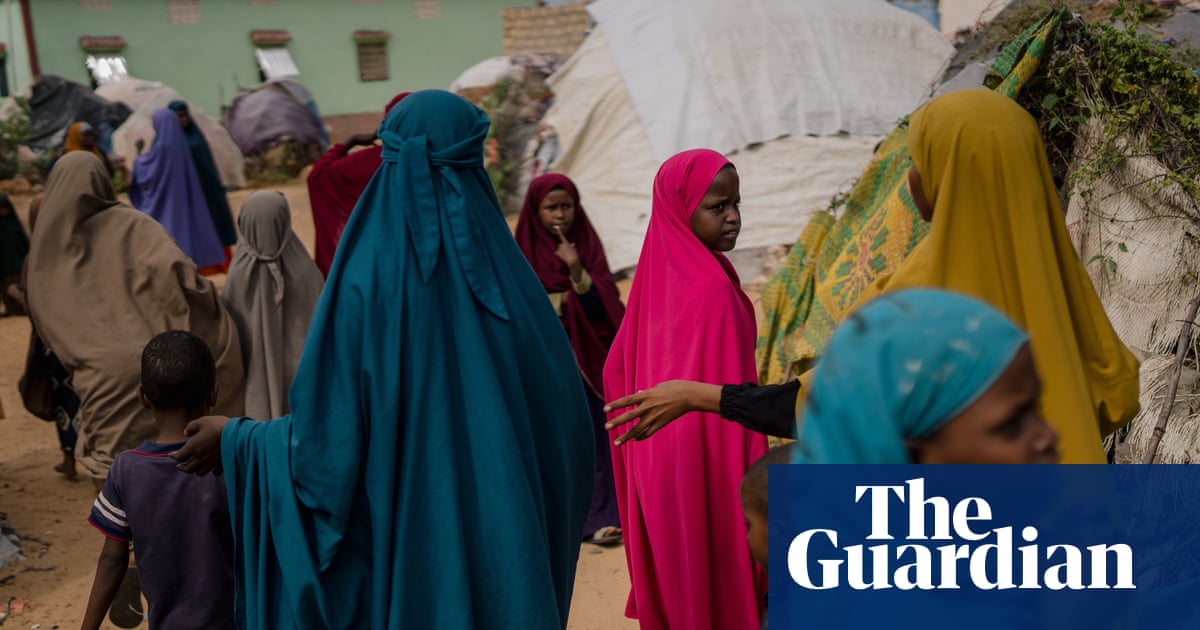
Residents of Jilib and nearby villages say repeated airstrikes have driven civilians toward the banks of the Juba River just as Somalia enters a rainy season expected to bring severe flooding. Cayni Ali, a 27-year-old mother of six, said floodwater had reached her waist and destroyed her home, which stood about five metres from the river. Other residents described strikes as constant, with homes destroyed and bodies left in the streets, although the total civilian death toll has not been established.
The allegations concern operations against al-Shabaab, which controls Jilib and surrounding territory. Farhan Ahmed, who fled Jilib the previous month, said one strike flattened five homes in his neighborhood. Yusuf Siidi said he saw three teenagers killed in a strike near Jamame, while Maryan Salah described a drone fragment landing near her two-year-old daughter. Records confirm one strike near Jamame on March 19 and list six strikes near Jilib in September, one in August and a total of 11 since the start of August. The discrepancy between official records and residents’ accounts has fueled questions about whether additional strikes were conducted by other forces or were not publicly attributed.
Africa Command denies using floods or weather as weapons. It says its operations target lawful military objectives, do not aim to displace civilians and include measures intended to reduce civilian harm. It has also said it does not maintain an undisclosed strike count. The allegations nevertheless raise concerns because al-Shabaab positions are embedded among civilians and Jilib lies on a low-lying plain vulnerable to river flooding. In 2023, floods displaced more than 1. 2 million people across Somalia, while residents near Jilib reported submerged farmland, drowned livestock and inadequate river defenses.
The 2026 forecast adds urgency. The Food and Agriculture Organization says there is up to a 90% probability of above-normal seasonal rainfall in large parts of central and southern Somalia, including the Juba basin, during the October-to-December Deyr season. It warns that river levels may continue rising even during local dry spells and is mapping flood-prone areas, safe ground and evacuation routes. Flooding could push more families toward Kismayo, where hospitals and displacement settlements are already struggling with limited funding and rising demand.