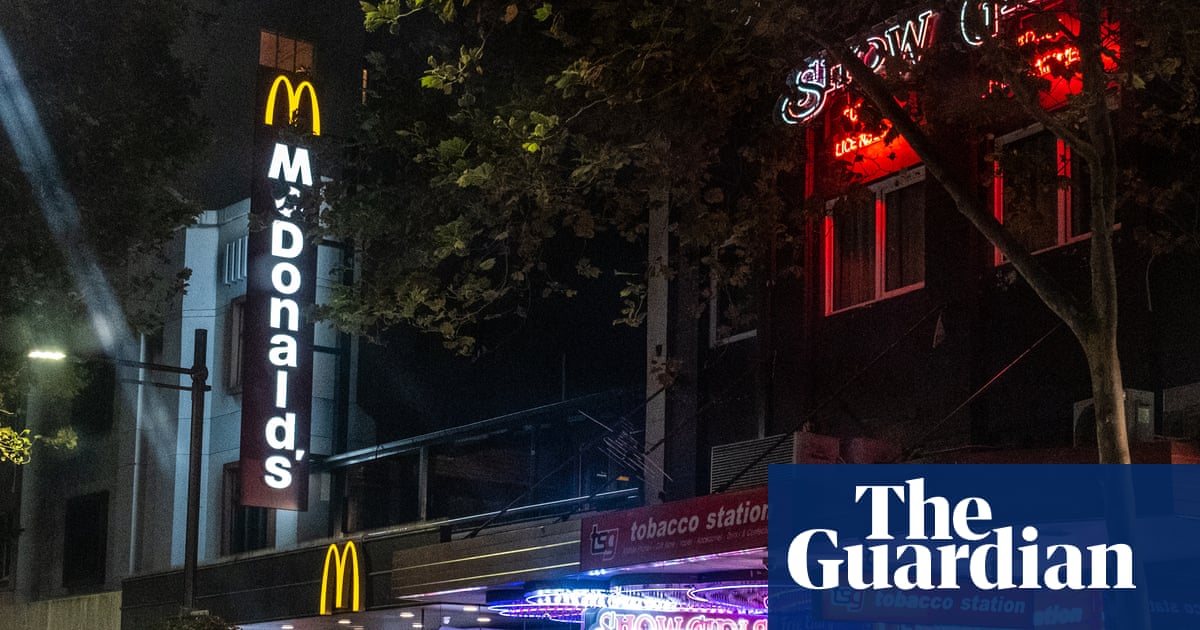
Manthos Papadopoulos, the owner of Sydney Elements and Showgirls, must remain barred from both clubs after the NSW Civil and Administrative Tribunal upheld a 12-month exclusion order imposed in July. The order prevents him from entering or staying in high-risk venues in the Kings Cross and Sydney CBD entertainment precincts, where both of his businesses are classified as high-risk. It remains in force until July next year.
The order followed police requests after Papadopoulos was arrested and charged on 15 March with seven offences, including intentionally choking a person without consent during an incident at Sydney Elements. Later that month, he was charged over further alleged incidents at the club and at his home. One allegation involved a highly intoxicated staff member who was allegedly struck in the face with Papadopoulos’ penis; other alleged offences involved that worker and another employee.
Papadopoulos was also charged with assault occasioning actual bodily harm after an alleged confrontation with a man found inside Sydney Elements before the club opened. The tribunal heard that Papadopoulos allegedly pushed the man against a wall, threw him to the ground, punched and stomped on his torso, and kicked him in the face, causing him to lose consciousness. The criminal matters remain unresolved, with defended hearings listed for next month and March next year.
Papadopoulos has said he pleaded not guilty and is entitled to the presumption of innocence. In a police interview, he made no admissions and described the CCTV footage as AI-generated and part of a conspiracy. He told the tribunal that the exclusion had substantially affected his livelihood, citing his employment and business interests and more than $17 million invested in Sydney Elements. The tribunal accepted that the order affected his business interests but found he had not provided logically probative evidence of his family’s financial reliance on the venues. Senior tribunal member Thalia Gordon concluded that his presence at either club created a sufficient risk of trouble-making and disruption for their licensees and managers.