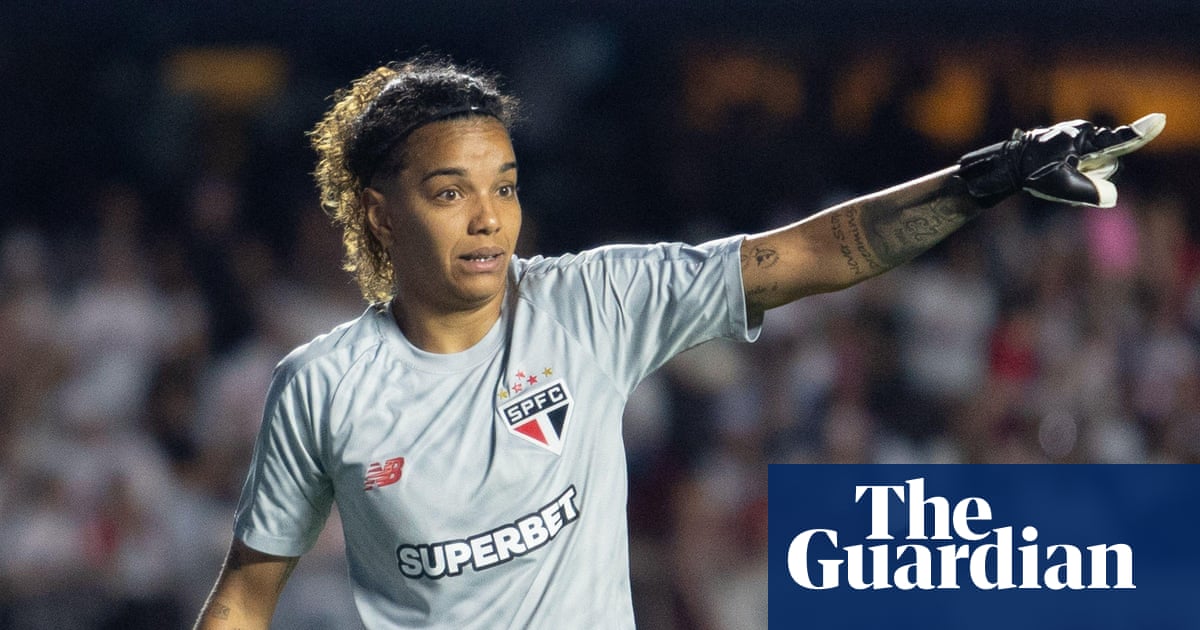
The political stakes were already visible after São Paulo drew 1-1 with Corinthians at Morumbi to win the Brasileirão Women’s final 3-2 on aggregate. São Paulo goalkeeper Carlinha used her post-match interview to call for Bolsonaro’s movement to stay out of power, linking her position to the loss of her grandmother during the Covid-19 pandemic. Brazil recorded more than 700,000 pandemic deaths.
Players and football figures have tied the election to the conditions surrounding the women’s game. Tayla said government incentives remain necessary, while Kely Nascimento argued that female athletes often lack the financial protection available to male stars and frequently come from communities that are especially vulnerable to political and economic change. Historian Aira Bonfim described women’s football as a longstanding lens on gender, racial, class and regional inequality.
The sport is approaching a major institutional test. Brazil will host the 2027 Women’s World Cup, and legislation approved in June establishes measures for staging the tournament, including arrangements for access, work, commercial activity and institutional responsibilities. A further law approved in September provides for a social, sporting and financial legacy plan connected to the competition and the development of women’s football.
The need for stronger support is underscored by a 2026 FIFPRO survey of about 800 players.
For Brazil’s players, the World Cup offers a route to investment, visibility and public programs, but the election alone will not determine how those benefits are distributed. The verified policies already in place will have to be maintained and implemented after the vote for the tournament’s promised legacy to reach clubs, players and girls’ football programs across the country.