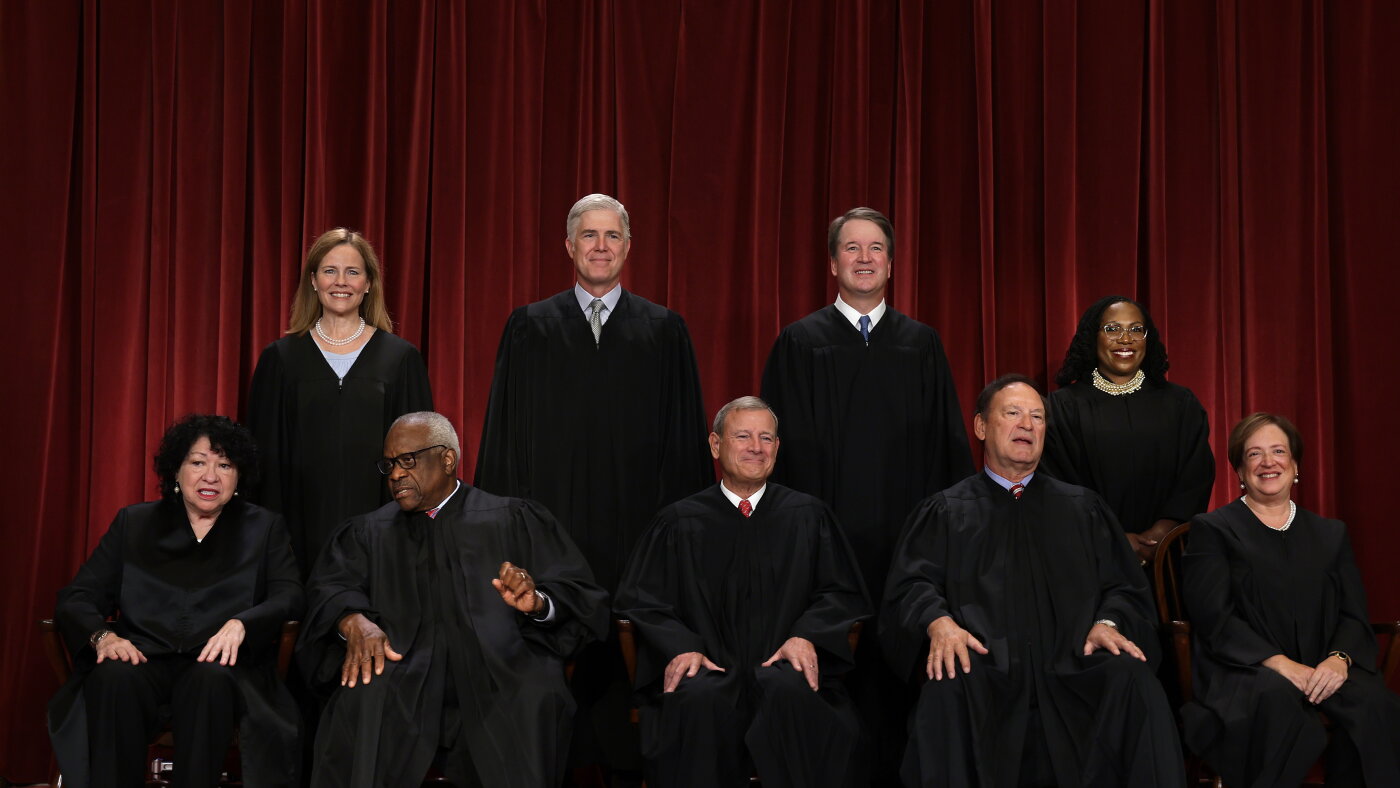
The Supreme Court on Oct. 19 affirmed a lower-court ruling in a dispute over worldwide rights to the 1960s song “Double Shot (Of My Baby’s Love)” after four justices recused themselves. The court said it lacked the six-justice quorum required to decide the petition and that the case could not be heard during the next term. Justices Sonia Sotomayor, Neil Gorsuch, Amy Coney Barrett and Ketanji Brown Jackson took no part in the matter.
The Supreme Court petition was filed by BMG Rights Management and other publishers after four companies bought Resnik’s asserted interest in March 2026. Paramount Pictures, the Motion Picture Association, recording-industry groups and intellectual-property professors filed briefs supporting review. The petition argued that the Fifth Circuit ruling disrupted decades of licensing practice and raised questions about agreements covering rights outside the United States. Vetter’s lawyers urged the court to leave the decision in place.
The recusals prevented the justices from addressing those legal questions. BMG’s parent company, Bertelsmann, also owns Penguin Random House, which has published books by all four recusing justices; the court did not disclose individual reasons. The order therefore leaves the Fifth Circuit ruling binding in Louisiana, Mississippi and Texas, but it does not create a nationwide Supreme Court precedent. Legal-ethics advocates said the episode exposes a structural problem because the justices largely decide recusal questions themselves and no substitute judges are available when enough members step aside. One proposed remedy is placing judicial book earnings in accounts that cannot be accessed until retirement, while the songwriter’s lawyer said the fight would continue on behalf of artists whose rights are affected by copyright law.