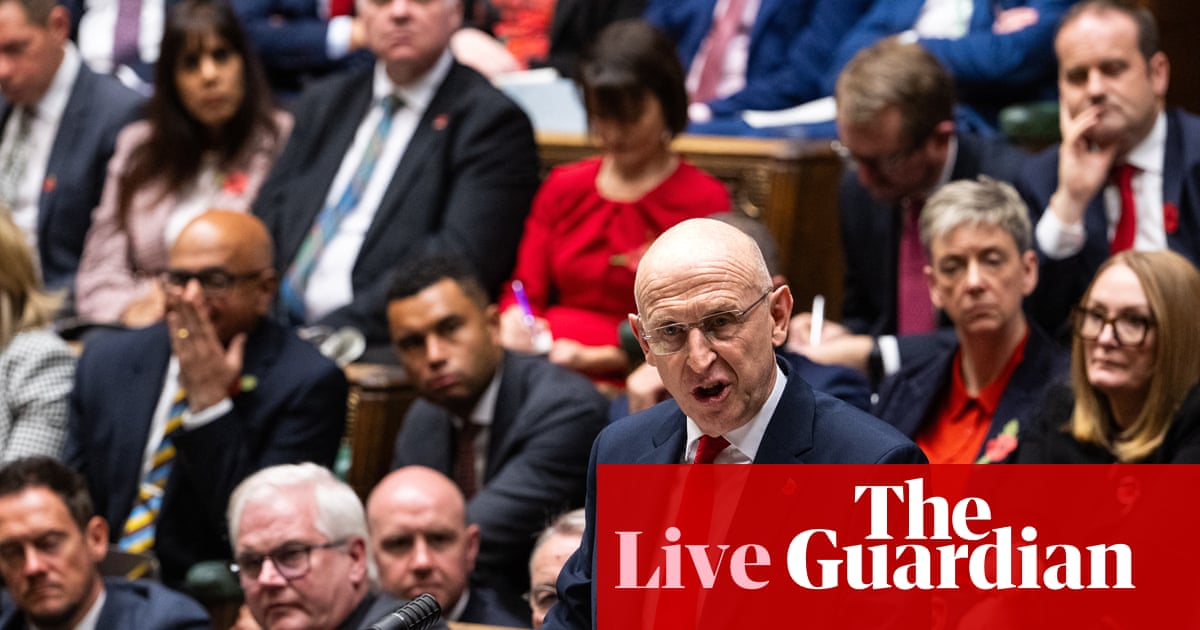
UK borrowing costs edged lower on Thursday after Chancellor John Healey’s first budget preserved the government’s fiscal rules and delivered a limited immediate reaction across financial markets. The market response followed a budget that left £15 billion of headroom against the stability rule in 2029-30, with that buffer forecast to rise to £22 billion in 2030-31.
The government said borrowing would continue to fall over the forecast period, reaching 1.8% of GDP by 2031-32, while debt would be lower at the end of the projection than in 2026-27. The investment rule carries £24 billion of headroom in 2029-30, and the budget document says the plans do not add to borrowing overall across the forecast. Higher debt-interest costs linked to conflict in the Middle East have reduced the fiscal cushion, with the official outlook estimating an average £14 billion a year in additional interest costs compared with the March forecast.
The budget’s household support centres on a £100 payment in 2027 for up to 20 million households in council-tax bands A to D in England, alongside an extension of the temporary VAT cut on household electricity bills until July 2027. An independent assessment said the support would reach roughly four in five English properties but exclude some lower-income households living in higher council-tax bands. The same assessment said typical household incomes would not recover from losses accumulated over the previous two years until mid-2029.
Businesses received a two-year real-terms freeze in business rates for retail, hospitality and leisure properties in England, while higher relief thresholds are expected to remove about 70,000 additional firms from the system and leave half of qualifying properties paying no rates. Banks will fund part of the household support through a temporary increase in their corporation-tax surcharge from 3% to 6% for 15 months, raising an estimated £1.5 billion. Shares in Lloyds, Barclays and NatWest nevertheless rose between 1.3% and 1.6% after investors judged the measure smaller than feared. Shell provided a separate lift to the market, reporting third-quarter adjusted earnings of $10.8 billion and announcing a $5 billion share-buyback programme, up from its previous $3 billion programme.