Brent crude briefly climbed above $117 a barrel on Friday, reaching its highest level since April, as investors reacted to the risk of renewed US and Israeli attacks on Iran. The international benchmark later retreated to just above $116, still about 2.7% higher on the day. Oil had been trading near $72 a barrel in February, before the conflict began, and reached $126 by the end of April.
The price jump followed Iranian warnings that a fresh offensive would bring retaliatory attacks on oil facilities, undersea cables, data centers and artificial-intelligence facilities across the Gulf. Iran’s Islamic Revolutionary Guard Corps also claimed that four commercial ships were struck in the Strait of Hormuz on Wednesday, although those claims were not independently confirmed. A US maritime advisory says risks to commercial shipping in the Persian Gulf, the Strait of Hormuz and the Gulf of Oman remain high, citing possible attacks involving missiles, armed drones and unmanned surface vessels.
The United States ordered nonessential diplomats and some families of government employees to leave Saudi Arabia after attacks by Yemen’s Iran-backed Houthi rebels. Saudi authorities also reported that debris from an intercepted drone killed two people and injured two others at an Aramco-operated oil field in the country’s southeast. The attacks have threatened both the Strait of Hormuz and the Bab el-Mandeb corridor, another route used by energy shipments.
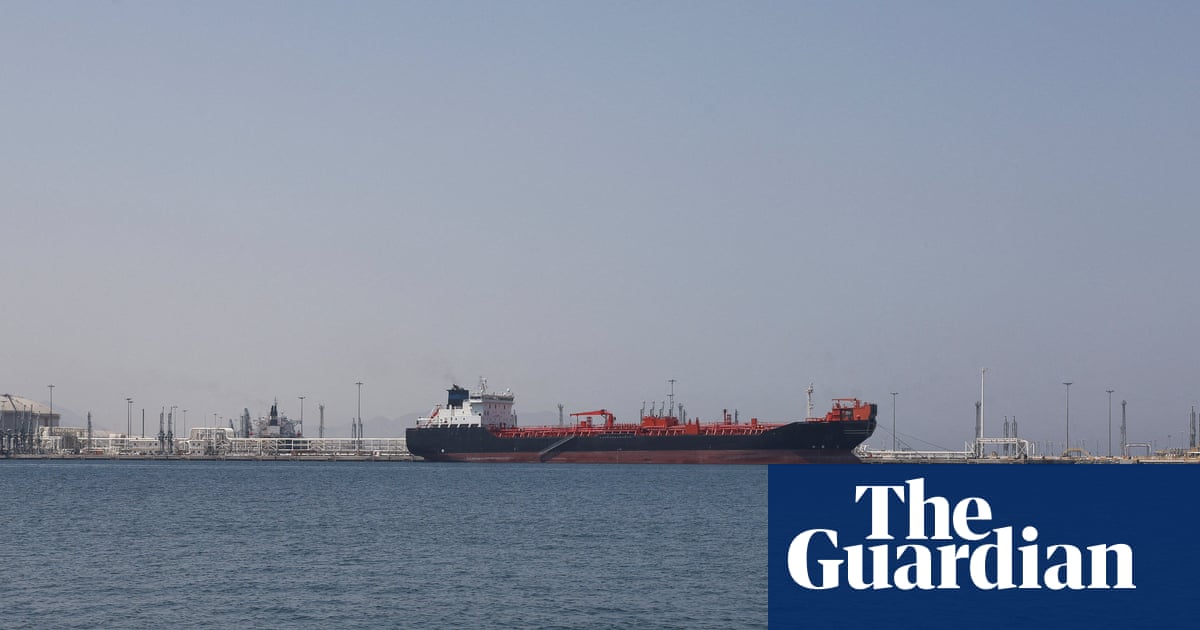
Oil continues to move through Hormuz under US military protection, but the trade is becoming more expensive and time-consuming. Tankers have been using a protected route near Oman, switching off tracking systems and transferring cargo between ships in the Gulf of Oman. Twenty-eight attacks on ships were reported in October, while tanker charter rates rose into the hundreds of thousands of dollars a day.
Diplomatic efforts remain active alongside the military buildup. Iran has said it remains open to negotiations and has proposed reopening the strait fully within a week if the United States ends its blockade of Iranian ports. Saudi, Pakistani and Turkish officials met Iranian counterparts in Tehran on Monday, while Qatari mediators also traveled to the capital in coordination with Washington. The talks are taking place before Israel’s election and the US midterm election on November 3, leaving oil markets sensitive to any further military decision or disruption to shipping.