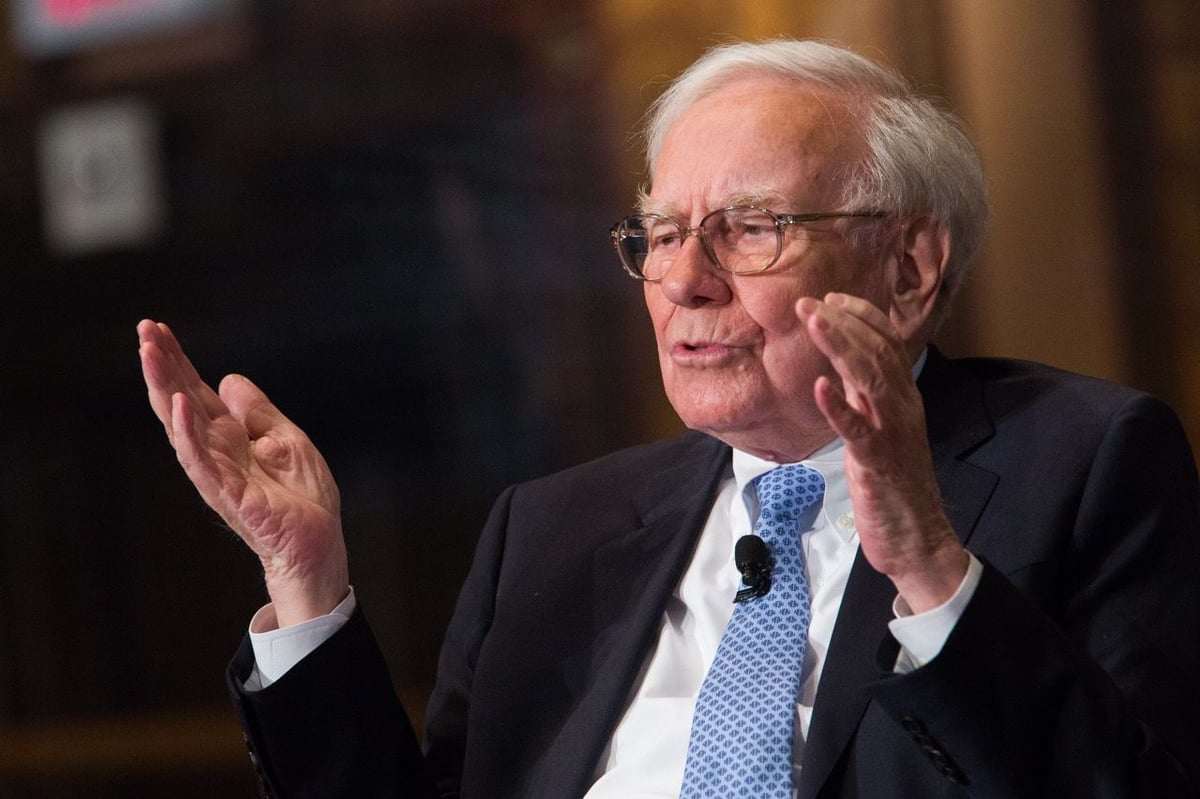
Warren Buffett’s warning about speculative behavior in financial markets are colliding with two measurable pressures facing U.S. Stocks: historically elevated valuations and a Federal Reserve that has begun raising interest rates again. In a May 2, 2026 interview at Berkshire Hathaway’s annual meeting, Buffett said investors were displaying an unusually strong appetite for gambling and argued that long-term stock ownership differs from short-term bets. He also said Berkshire’s environment was not ideal for deploying its large cash position, although the company remained active in managing its portfolio.
The valuation concern centers on the cyclically adjusted price-to-earnings ratio, or CAPE. The measure compares stock prices with average inflation-adjusted earnings over the previous decade, reducing the effect of short-term swings in corporate profits. The S&P 500’s CAPE stood at about 40. 6 in September, a level reached only rarely in the index’s post-1957 history and close to the highest readings seen since the technology-stock bubble. Historical calculations supplied with the market analysis show that, after monthly CAPE readings above 40, the S&P 500’s average return was negative over the following year, 18 months and two years.
Those averages create a scenario rather than a forecast. The analysis places the S&P 500’s first move above a CAPE of 40 in May 2026, when the index ended the month at 7,580. If the historical pattern were repeated, a 10% decline over the following 18 months would place the index near 6,822 by November 2027, while a 19% decline over two years would put it near 6,140 by May 2028. Both estimates are measured against the stated record high of 7,819, and neither establishes that the market must reach those levels.
Interest rates add a separate source of pressure. The Federal Open Market Committee voted unanimously in September to raise the federal-funds target range by a quarter percentage point to 3. 75%–4%, effective Sept. The committee said inflation remained elevated and indicated that another increase could be appropriate by year-end, while emphasizing that future decisions would depend on incoming information. Higher rates can make bonds more competitive with stocks and increase financing costs for companies, but the supplied historical comparison only shows what happened after earlier rate-hike cycles; it does not prove that the same declines will recur.
Buffett’s comments provide a warning about behavior, while the CAPE and rate data identify conditions that have previously accompanied market stress. The forward-looking index levels remain conditional calculations based on historical averages, not confirmed outcomes for 2027 or 2028.