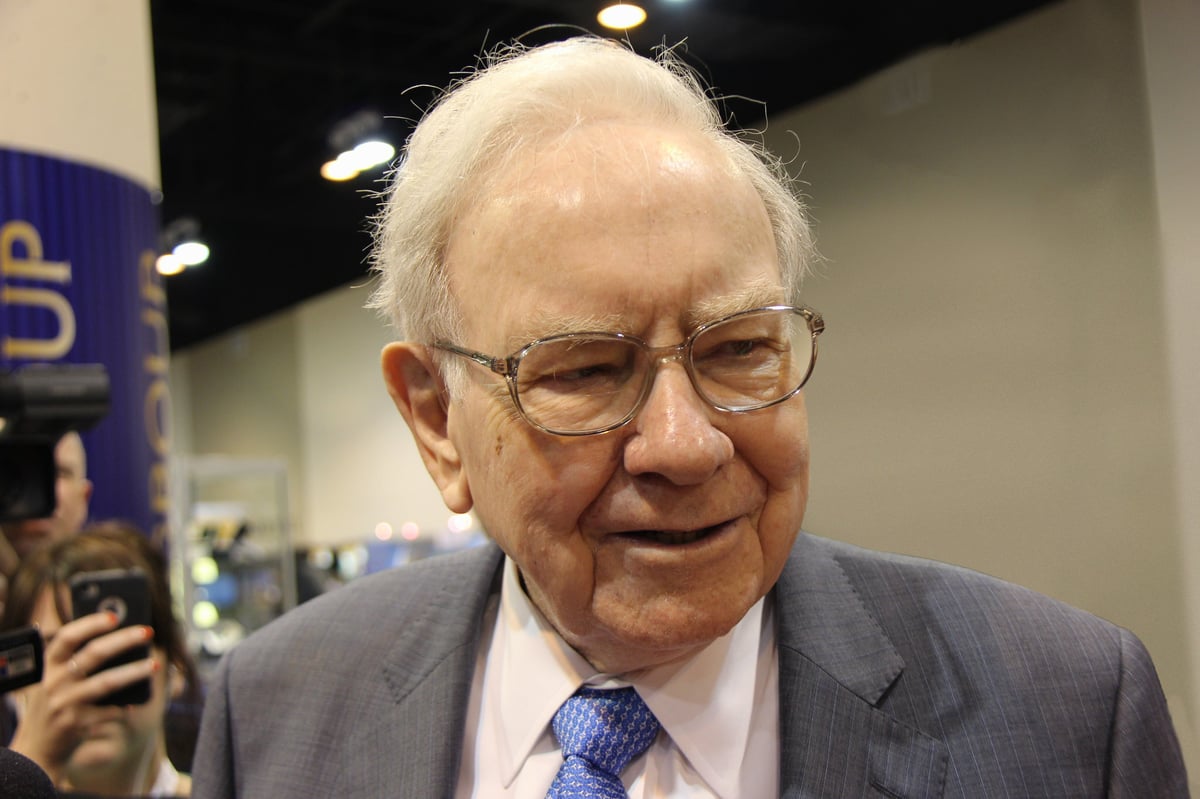
Warren Buffett began buying Wells Fargo shares in 1989, when investors were deeply wary of banks during the savings and loan crisis. Berkshire Hathaway raised its stake to just under 10% in 1990, viewing the bank’s financial performance as attractive relative to its purchase price.
Wells Fargo became a major Berkshire holding for nearly three decades before a 2016 scandal damaged the bank’s reputation. Employees had opened roughly 2 million deposit and credit-card accounts without customer consent. The bank fired employees, replaced senior leaders and board members, paid billions of dollars in fines, overhauled its regulatory systems and operated under an asset cap for seven years.
Buffett began reducing Berkshire’s position in 2017 and later called Wells Fargo a “total disaster.” Berkshire completed its exit in 2022, after the bank’s regulatory problems had constrained growth and its returns had lagged those of peers. Charlie Scharf subsequently made operational changes and pursued a turnaround plan focused partly on efficiency and capital-light businesses. In 2025, the Trump administration ended the remaining consent orders and asset cap more quickly than might otherwise have occurred.
The episode illustrates how reputational damage can weigh heavily on a bank because customers and businesses may become less willing to use it. It also shows the difficulty of judging whether a troubled institution has a credible path back: Buffett held Wells Fargo through years of regulatory uncertainty, yet left before Scharf’s changes and the removal of the asset cap altered the recovery case.