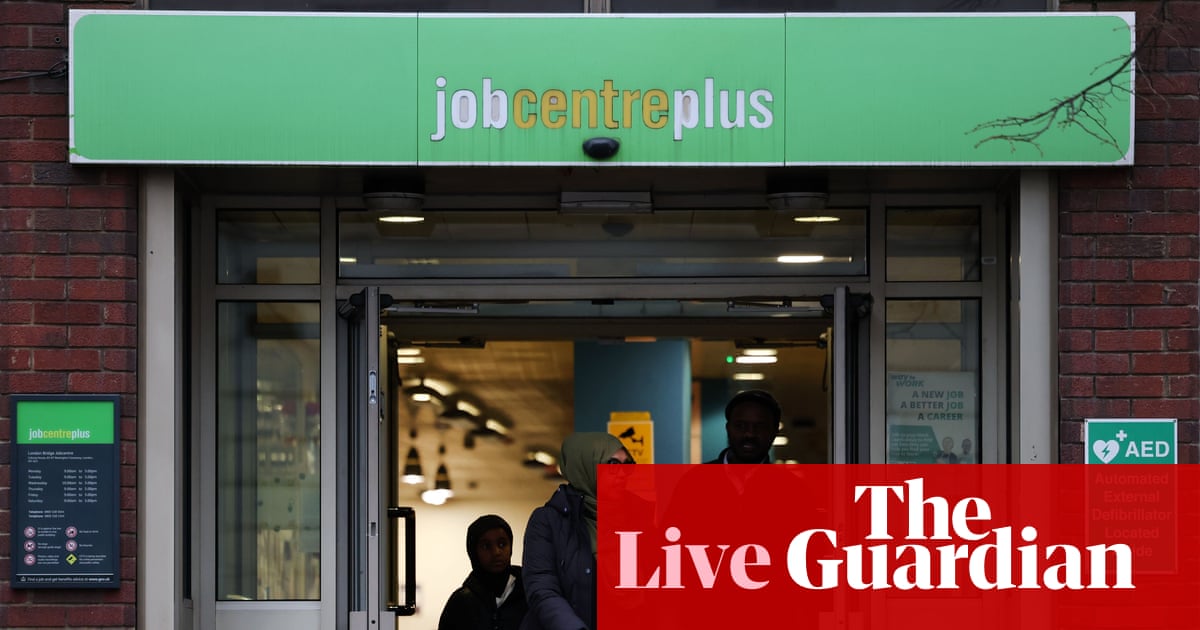
UK unemployment fell to 4. 7% in the three months to August, down from 4. 9% in the previous quarter and below economists’ 5% forecast.
Hiring demand was weaker. Vacancies fell by 21,000, or 2. 9%, to 691,000 in the three months to September. The total was below 700,000 for the first time since early 2021 and was the lowest outside the pandemic period since 2014, when vacancies stood at 686,000.
Vacancies declined in 14 of 18 industries, with construction recording the largest sectoral fall of 7,000. Businesses with one to nine employees accounted for the entire 21,000 decline across employment-size bands, while survey feedback indicated that smaller firms may be holding back recruitment because of higher labour costs.
Pay data offered a mixed picture. Regular earnings rose 3. 7% year on year in the three months to August, up from 3. 6% in the previous period, while total pay including bonuses grew 3. 7%, down from 3. Payrolled employees increased provisionally by 13,000 between August and September to 30. 3 million, but the September estimate was 66,000 below its level a year earlier.
The figures provide the latest labour-market backdrop before the 28 October budget: unemployment and employment improved on the headline measures, while vacancies and payroll employment pointed to weaker demand for workers.