Rivian rose to No. 2 in U.S. Battery-electric vehicle registrations in August, trailing only Tesla during a month when the broader EV market fell 36% from a year earlier. The figures exclude hybrids and reflect registrations, which can lag sales by roughly a month but provide model-level detail that automakers do not always disclose in monthly or domestic sales reports.
Rivian recorded 4,995 U.S. Registrations, compared with Tesla’s 48,083. Rivian had ranked No. 10 a year earlier, making its move into second place one of the month’s largest shifts among EV brands.
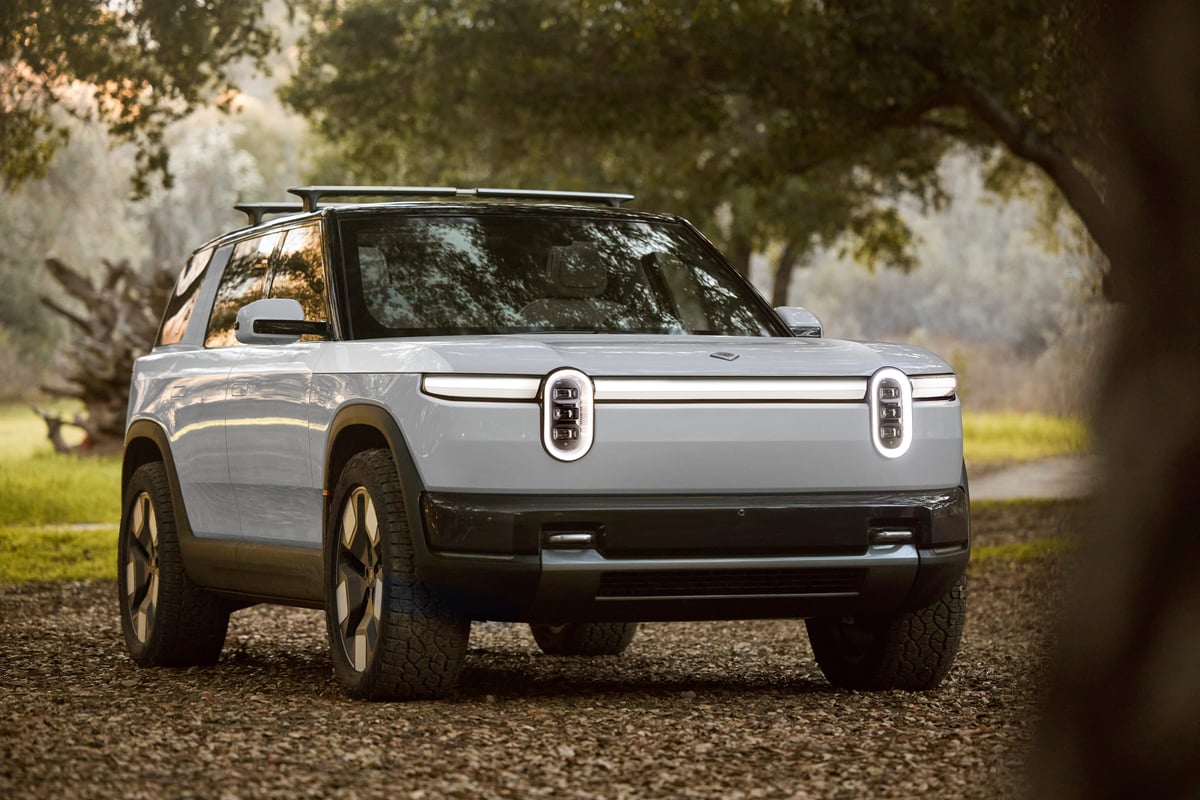
The R2 contributed 1,554 registrations in August, marking the first year in which the model appeared in the comparison. Rivian was still ramping production, and the company added a second production shift late in the third quarter. That shift was not expected to appear fully in registration data until October, while a third shift was planned for the following year. Lower-priced R2 versions were also scheduled to join the initial, higher-priced launch trims.
Rivian’s commercial vans were an equally important part of the increase. Registrations of the electric delivery vans, most of which are destined for Amazon, climbed 87% year over year to 2,165. That gain helped lift Rivian’s total registrations 33%, even as R1S registrations dropped 53% amid an aging model and expanding lower-cost competition.
The August comparison was distorted by consumers bringing forward EV purchases before the Sept. 30, 2025, expiration of the federal $7,500 tax credit. Industry projections made before that deadline anticipated elevated EV demand and warned of greater volatility afterward. Rivian, Toyota and Subaru were among the companies showing growth as new or refreshed models entered the market, underscoring the importance of product launches in a crowded field.
For Rivian, the registration data offered an early indication that the R2 ramp was gaining traction, but it also highlighted the company’s dependence on its existing van business while production expands. The company’s future ranking will depend on how quickly additional R2 capacity and lower-priced trims reach customers, alongside competition from automakers adding more affordable electric models.