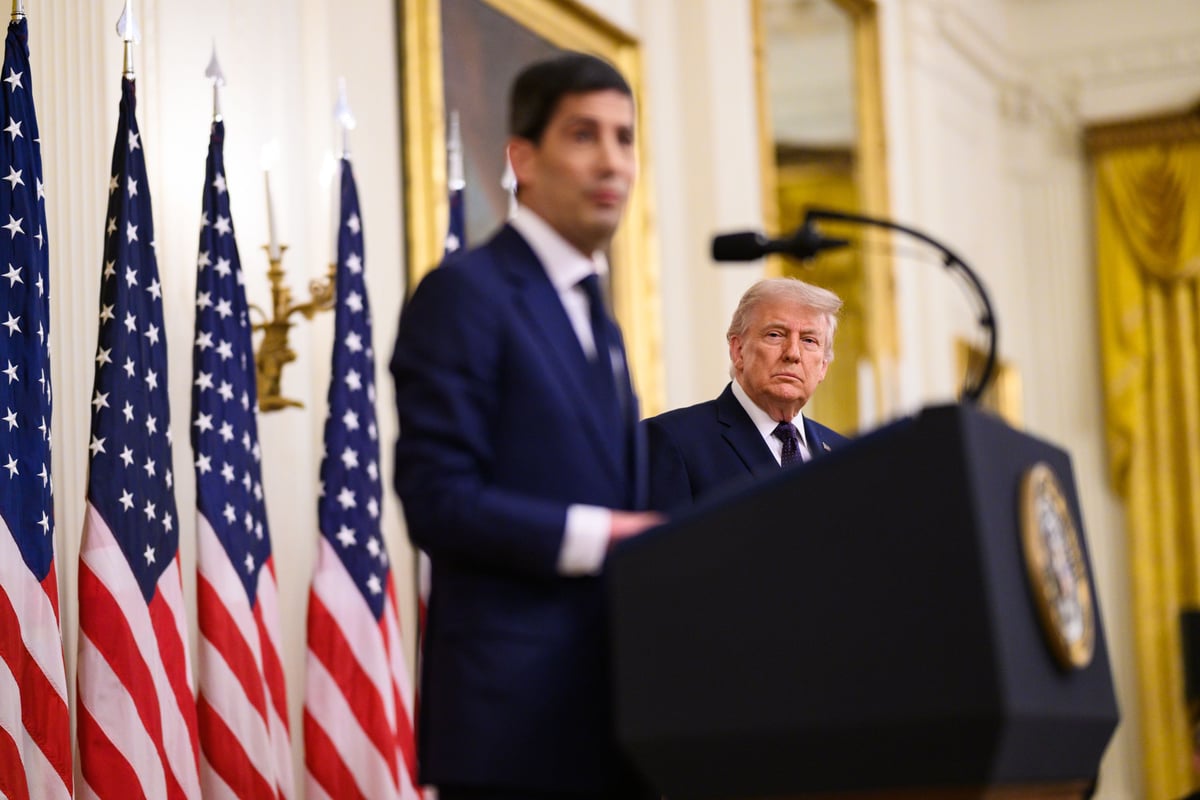
President Donald Trump’s relationship with Federal Reserve Chair Kevin Warsh has come under strain after the central bank unanimously raised interest rates despite the president’s repeated demands for sharp cuts. The vote passed 12–0, with Warsh supporting the decision.
Trump said rates should be 1% or lower and criticized the Fed as hostile and political. He said he had spoken with Warsh before the vote and told him he might as well support the board because the outcome was already decided. Trump said he still had confidence in Warsh, but his public criticism placed the chair between the president who selected him and a central bank defending its policy independence.
Warsh described the increase as a serious and responsible decision, saying inflation had remained too high for too long. Fed projections showed that 16 of 18 policymakers expected at least one more quarter-point increase by the end of the year. At an Oct. 16 meeting in Bangkok, Warsh declined to predict what the Fed would do at its October and December meetings, while reiterating that the central bank would deliver price stability.
The policy dispute is unfolding while tariffs and other shocks keep pressure on prices. The same analysis found that about one-third of the price impact comes indirectly through higher costs for U.S. -made goods. Warsh has also identified the surge in artificial-intelligence investment as an inflation factor, even as he said the technology could ultimately benefit the economy.
For Wall Street, the immediate issue is whether further tightening will keep borrowing costs elevated for mortgages, car loans, companies and highly capital-intensive technology projects. Analysis: the combination of a unanimous rate hike, projections pointing to another increase and Trump’s continued pressure makes a renewed public confrontation more likely if the Fed acts against the administration’s preferred direction. The next policy decisions will test whether Warsh can maintain a unified central-bank position while resisting demands for faster easing.