Tesla’s Optimus program is moving toward production, but it remains a developing business with commercial deliveries targeted no earlier than late 2027. Tesla has not disclosed current Optimus output or confirmed outside-customer deliveries.
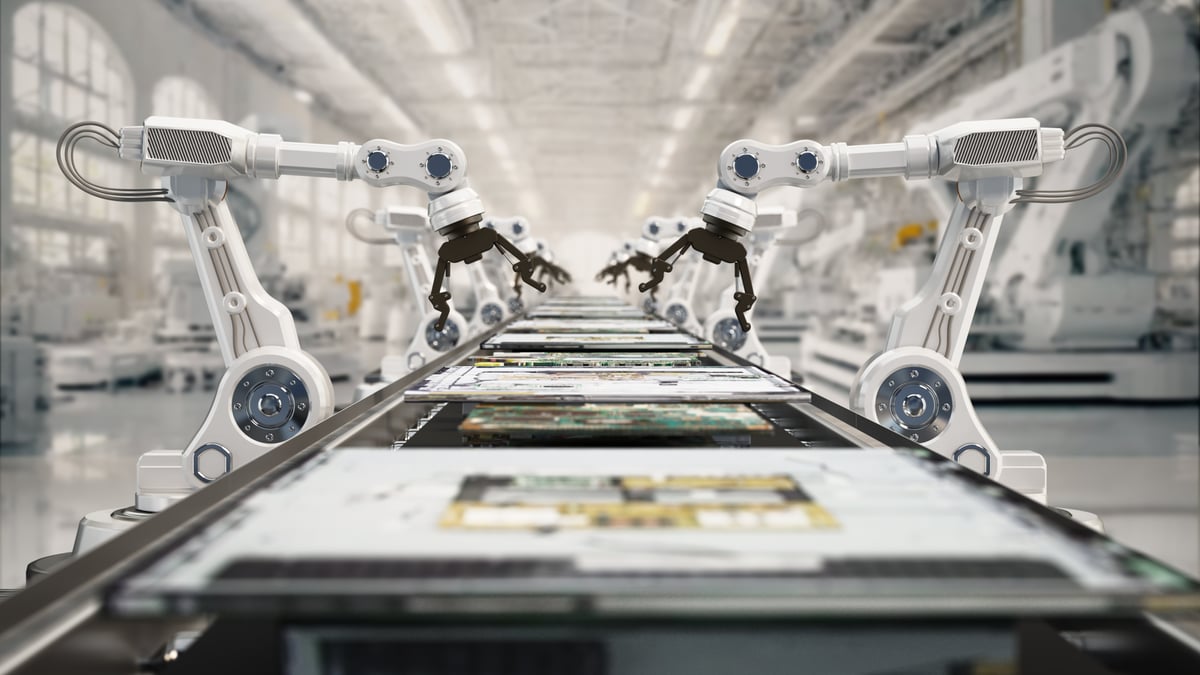
Rockwell supplies programmable logic controllers, motion-control equipment, drives, actuators, safety systems and software used to coordinate machinery and production data. Its business is tied to factories that already operate at commercial scale, rather than to a single humanoid product that still must demonstrate reliable manufacturing, useful work and customer adoption.
Market provides room for additional automation. The United States remains a major automation market, but China had roughly five times as many industrial robots in operation and installed nearly nine times more units in 2024. Reshoring production and labor scarcity were identified as longer-term opportunities for further robotics adoption, although trade tensions and uncertainty could weigh on the market in the short term.
Rockwell’s recent results show that demand is already producing measurable financial activity. Enterprise operating margin increased to 22. 3%, and the company cited strength in semiconductor, data-center and warehouse-automation customers, along with improving activity in automotive and life sciences.
The comparison does not establish that Rockwell’s shares will outperform Tesla’s, because the companies offer different forms of robotics exposure. Tesla is pursuing a potentially large humanoid-robot market whose economics depend on execution, scale and eventual customer demand. Rockwell is selling the control hardware, software and services that factories need regardless of which robot designs ultimately prevail. For investors seeking exposure to industrial automation and reshoring, that existing revenue base makes Rockwell a less speculative way to participate in the expansion of robotic manufacturing, while Tesla’s Optimus opportunity remains dependent on milestones that have not yet been completed.