Medtronic’s separation of its diabetes business, MiniMed, has reduced the medical-device company’s share count without a cash repurchase. The transaction left Medtronic with no equity stake in MiniMed and means future earnings from its continuing operations will be spread across fewer shares, potentially improving earnings per share if profits hold or rise.
Medtronic launched the voluntary offer on Sept. 14, allowing shareholders to exchange Medtronic shares for MiniMed stock. The offer expired Oct. 9, and the final exchange ratio was set at 4. MiniMed said its separation was complete on Oct. 15, when it began operating as a fully independent company.
Medtronic had said the exchange would focus its capital allocation on its Cardiovascular, Neuroscience and Surgical portfolios, while MiniMed would operate independently. The separation does not eliminate all links between the companies immediately: MiniMed’s filings describe continuing transition, manufacturing, supply, tax, employee and intellectual-property arrangements with Medtronic.
Medtronic’s operating results provide the main evidence of its current momentum. In the first quarter of fiscal 2027, ended July 31, revenue reached $9. 8 billion, up nearly 14% from a year earlier. Cardiovascular revenue rose 19%, neuroscience revenue increased 14% and medical surgical revenue grew 9%; earnings per share rose 15% to $1.
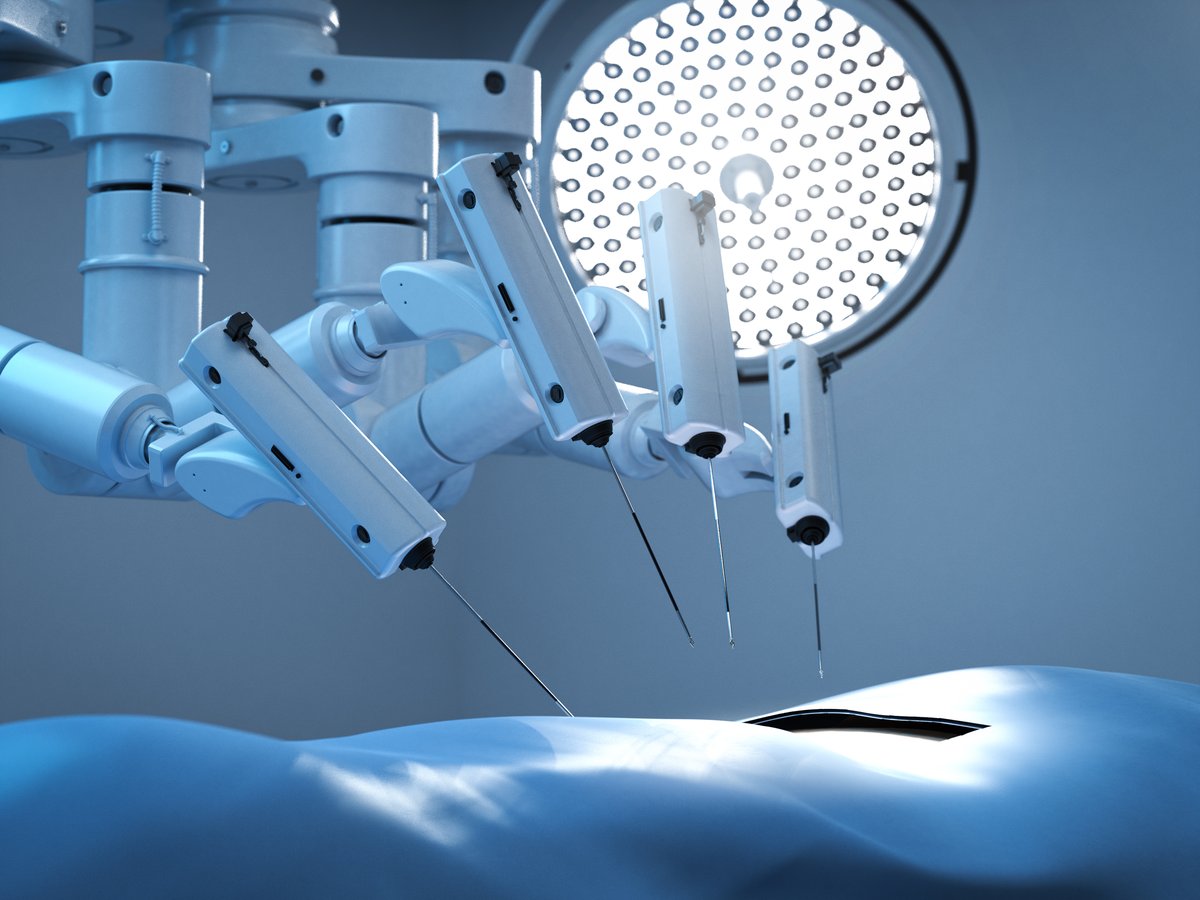
Those included authorizations involving the Stealth AXiS computer-assisted surgical system for cranial, ear, nose and throat, and spine procedures, and the Hugo robotic surgery system for urological procedures.
Medtronic has raised its dividend for 49 consecutive years, including a 1. 4% increase in 2026. Its trailing cash dividend payout ratio was reported at just under 60%, leaving room for future increases, although another increase is not guaranteed. The stock was down just under 1% for the year in the supplied reporting but had gained more than 11% over the prior three months and was described as trading at a discount to medical-device peers. Analysis: the split-off improves Medtronic’s per-share arithmetic, but the investment case still depends on whether the post-separation company can sustain growth, margins and cash generation.