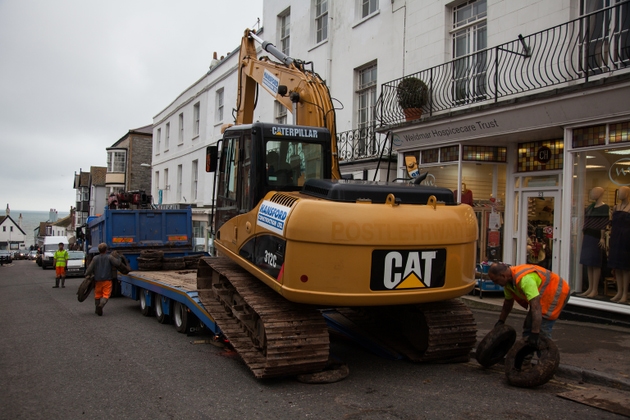
The drop came alongside sharp losses in semiconductor companies and other businesses linked to artificial-intelligence infrastructure spending.
Caterpillar has benefited from demand for turbines and engines used to power data centers, but higher borrowing costs and persistent inflation could pressure profit margins even if equipment orders remain strong. The selloff has raised questions about whether expectations for AI-related infrastructure spending pushed the stock’s valuation too high.
The decline also reflects broader weakness across industrial stocks since mid-August, when rising energy prices and bond yields began weighing on the sector. Even after the pullback, Caterpillar shares remain about 40% above their level a year ago, supported by demand for power-generation equipment and continued growth in construction machinery.
Investors are now focused on Caterpillar’s earnings report later this month. They will be watching whether sales growth can offset higher operating expenses as transportation and raw-material costs increase, potentially limiting profit expansion without stronger equipment sales.