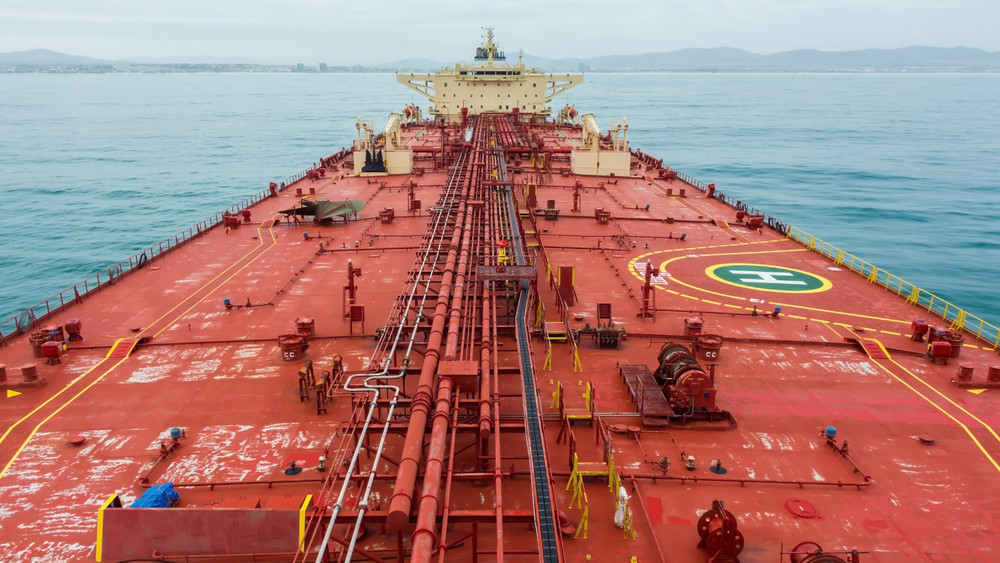
Brent crude rose above $110 a barrel as repeated tanker attacks in and around the Strait of Hormuz raised fresh doubts about the reliability of Persian Gulf exports.
The latest move followed a sharp deterioration in tracked flows. The same reporting said at least 18 tanker attacks had been recorded over the preceding two weeks, with Iranian strikes blamed for disrupting vessels using the waterway.
The decline came after exports had briefly recovered. That broader measure included Strait of Hormuz crossings, Red Sea shipments, terminal exports and ship-to-ship transfers in the Gulf of Oman.
The Strait of Hormuz normally handles about 125 large commercial vessels a day and carries roughly one-fifth of the world’s crude oil and liquefied natural gas supply. Recent attacks have made that traffic more difficult and unpredictable: one reported incident involved the very large crude carrier Kazimah III, which was struck by an unknown projectile and caught fire, although its crew was reported safe and evacuated.
Kpler distinguishes confirmed Strait transits from wider Gulf of Oman clearances and bypass exports through terminals such as Fujairah and Oman; recent figures can also be revised as dark or delayed voyages are confirmed through satellite, port and import records.
The market response reflects the risk that those alternate routes may not fully offset disruption in the chokepoint. Gulf producers have used pipelines, ship-to-ship transfers and escorted corridors to keep some oil moving, but those workarounds require longer voyages, additional tanker capacity and higher shipping costs. With attacks continuing, traders are pricing the possibility that normal flows will not resume quickly.