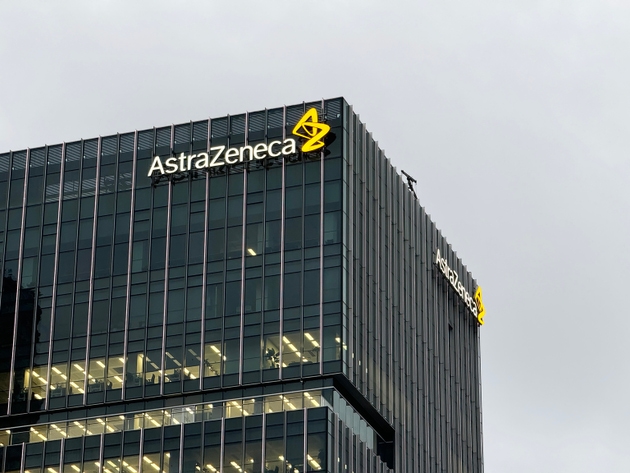
The results exceeded analysts’ expectations and were accompanied by a reaffirmation of the company’s full-year 2026 outlook, which calls for revenue growth in the mid-to-high single digits and core EPS growth in the low double digits at constant exchange rates.
Oncology remained the company’s largest and fastest-growing therapy area.
Growth was uneven across the wider portfolio. The company also identified loss of exclusivity for Farxiga and Brilinta, along with volume-based procurement in China, as headwinds to overall performance.
The company simultaneously launched a three-year Reshaping for Sustainable Growth program intended to generate about $1. 5 billion in annual pretax savings. AstraZeneca said the savings would create additional capacity to invest in its drug-development pipeline and technologies, while the program is expected to produce one-time restructuring charges of up to $2 billion and be largely completed by the end of 2029. The company did not specify whether the plan would involve job cuts.
The restructuring comes as AstraZeneca reports more than 180 projects in its pipeline, including 116 new molecular entities or major life-cycle-management projects in Phase II or Phase III and 20 new molecular entities in late-stage development. During the first nine months, the company recorded 47 approvals in major regions, including first approvals for four medicines, and reported 12 positive Phase III readouts. The combination of strong oncology sales, maintained guidance and planned cost reductions leaves the company positioned to redirect resources toward late-stage development while managing pressure from older medicines and regional pricing changes.