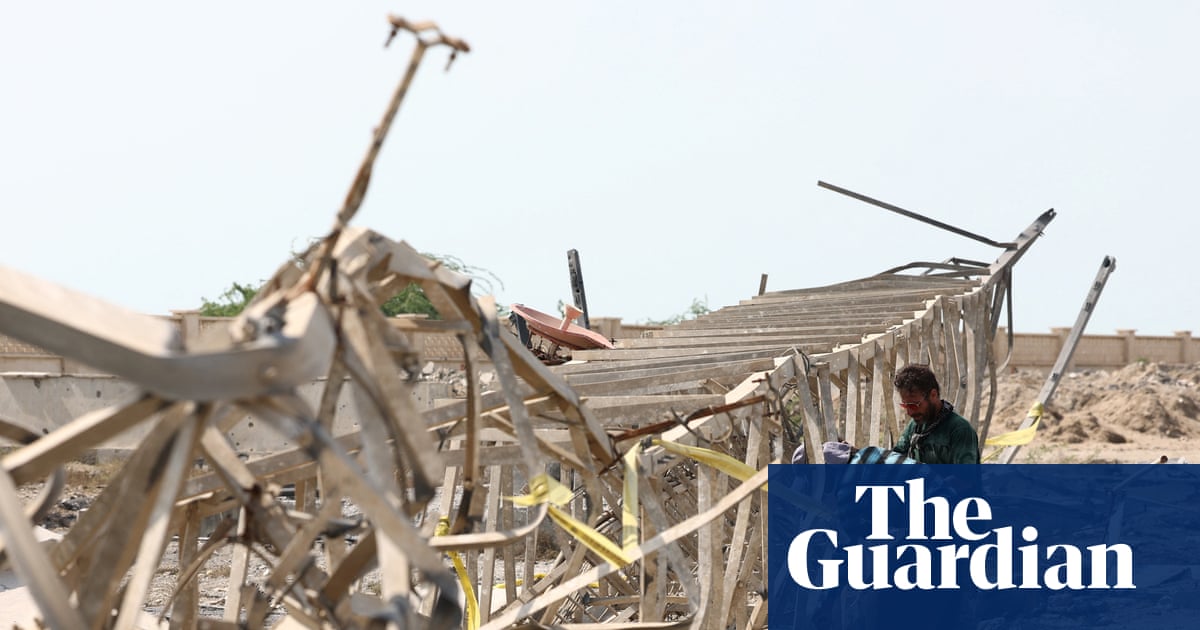
Iran’s Islamic Revolutionary Guard Corps said on Friday, November 13, that it had destroyed a U.S. Early-warning radar in Bahrain, describing the action as retaliation for an alleged American airstrike on a telecommunications tower in Sirik, a port town in Iran’s Hormozgan province near the Strait of Hormuz. Iran did not provide independently verifiable evidence of damage to the radar or casualties.
U.S. Central Command rejected the claim and said Iranian forces had launched two one-way attack drones toward Bahrain. Both drones were intercepted by U.S. Forces, CENTCOM said, adding that there were no injuries or damage. Bahrain did not immediately confirm that the radar had been struck, leaving the central battlefield claim disputed.
Iranian state media said Sirik had been hit by “enemy” fire but did not initially identify the attacker or provide details about damage. The IRGC described its Bahrain operation as a response to an attack on communications infrastructure and warned that its aerospace force was prepared to respond to further violations. The U.S. Statement did not address the alleged Sirik strike, which followed earlier attacks on Iranian radar and communications networks around the strategic waterway.
The exchange came as Washington and Tehran were moving further from negotiations. President Donald Trump said the United States no longer needed an agreement with Iran after months in which Vice-President JD Vance had helped lead efforts to pursue a ceasefire and revive nuclear talks. Trump also said he had redirected Vance toward domestic political issues, while Iran’s negotiators had rejected a proposed personal meeting with him.
The confrontation also unfolded amid worsening pressure on shipping through Hormuz. Iran said a liquefied petroleum gas tanker had struck a naval mine in the eastern part of the strait after ignoring warnings, though that account was not independently verified. Separately, Iran’s Assembly of Experts called for a review of the country’s defense doctrine and its continued membership in the Nuclear Non-Proliferation Treaty, while international nuclear inspectors said they lacked access and information about the Isfahan facility. Those developments add to the risks surrounding any further military exchange, but they do not establish whether the Bahrain radar was damaged or destroyed.