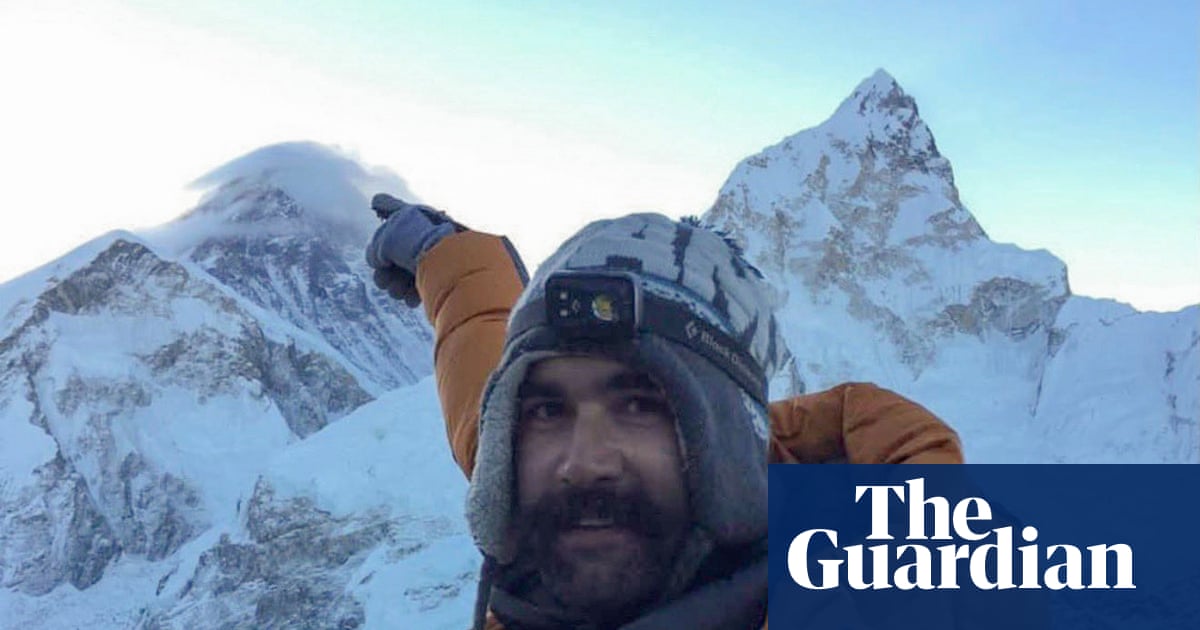
Iran executed mountaineer Ali-Sina Mostafavi on October 14, intensifying concern over the fate of at least six other athletes sentenced to death in cases linked to protests and political charges. Mostafavi, who documented climbs including Mount Everest, had been arrested after Iran’s January protests. His execution followed that of taekwondo athlete Siavash Jamshidi Kheirabadi on October 3 and mixed martial arts fighter Gholamreza Khani Shakarab in May.
Mostafavi’s death sentence was upheld by Iran’s Supreme Court in late September. He was accused of being an “armed agent of the American-Zionist enemy, ” allegedly opening fire on civilians in Kerman’s Azadi Square on March 24, and participating in the January protests. Human-rights reporting said he was subjected to physical violence during detention in Kerman before being placed in solitary confinement, while his family was reportedly summoned to the prison hours before the execution. Iranian authorities have not publicly addressed those allegations.
The six athletes identified as facing execution include swimmer Ali Pishevarzadeh and footballer Ehsan Hosseinpour, both arrested during the January protests, and boxer Mohammad Javad Vafaei Sani, who was arrested in 2020 after taking part in protests the previous year. His request for a retrial was rejected last year. The other named defendants are mixed martial arts fighter Benyamin Naghdi, equestrian athlete Taraneh Rahimi and climber Maryam Siri, all of whom were sentenced to death this year.
Human Rights for Sport, a group of former Iranian athletes based in Oslo, said six athletes had already been executed in cases connected to the January protests or earlier political charges. The group also said 217 Iranian athletes were killed by direct gunfire in January and more than 100 were detained; those figures have not been independently established in the available reporting.
The crackdown has drawn criticism over the legal process as well as the executions. The Iranian judiciary confirmed Jamshidi Kheirabadi’s execution and said he had been sentenced for security-related offenses connected to the January 8 protests in Shahrekord.
International sports bodies have acknowledged concern but stopped short of claiming authority over Iran’s legal system. FIFA said it was aware of concerns about Iranian athletes and thanked those raising them. The International Olympic Committee said it had functioning human-rights and safeguarding teams, was deeply concerned about affected athletes and remained in contact with Iran’s Olympic community, while arguing that it could not change a sovereign country’s laws or political system. The immediate risk remains the six athletes whose death sentences have been upheld or imposed, with rights advocates seeking action to prevent their executions.