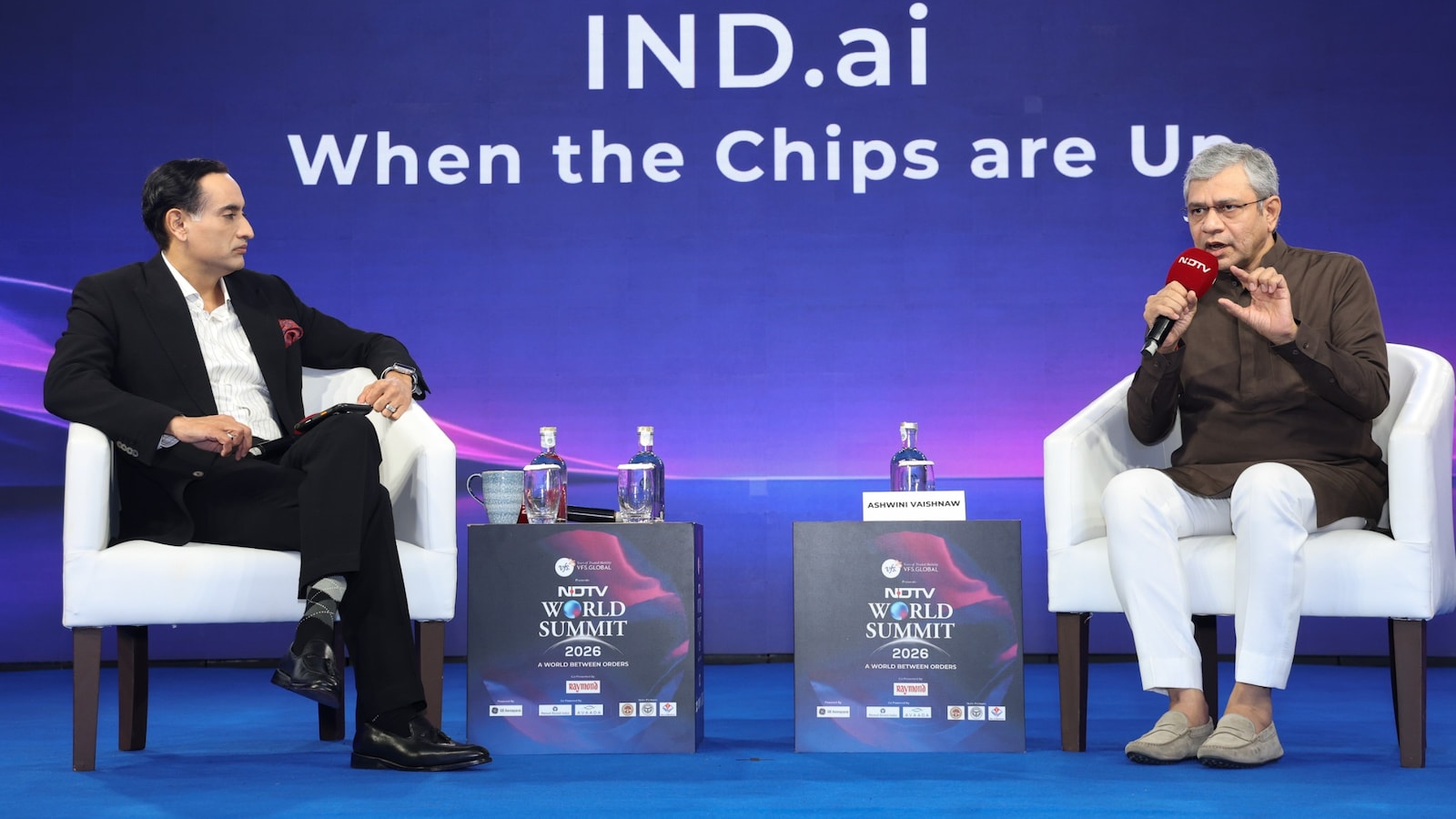
India’s first bullet train service is expected to begin in 2027, with the initial operating section planned between Surat and Bilimora before the line is extended in stages toward Mumbai and Ahmedabad. Railway Minister Ashwini Vaishnaw has expressed confidence that the project will be ready for inauguration next year, while an earlier announcement identified August 15, 2027, as the likely launch date. No final inauguration schedule for the complete corridor has been confirmed.
The Mumbai–Ahmedabad High-Speed Rail project covers 508 kilometres across Maharashtra, Gujarat and the Union territory of Dadra and Nagar Haveli. Twelve stations are planned, including Mumbai, Thane, Virar, Boisar, Vapi, Bilimora, Surat, Bharuch, Vadodara, Anand, Ahmedabad and Sabarmati. The first sections are expected to open progressively, rather than placing the entire route into service at once.
Construction began in 2017 after India and Japan agreed to develop the corridor with Japanese technical and financial assistance. Vaishnaw has attributed delays to the complexity of the design, the Covid-19 pandemic and difficulties securing land and permits in Maharashtra. Official project information says land acquisition in Maharashtra affected progress through 2021 and accelerated in 2022. The minister has also said the project could not begin fully until permits for the complete alignment were available, and accepted that responsibility for the delay extended beyond one political party.
Official progress figures recorded 430 kilometres of piers, 341 kilometres of girders, 174 kilometres of track bed and 153 kilometres of overhead-electrification masts. The project also includes a roughly 21-kilometre tunnel, including an under-sea portion; 4. 8 kilometres had been completed in Maharashtra at that stage.
The corridor is being developed as a more hybrid system than the original Japanese model. Indian agencies are manufacturing high-speed trainsets with a design speed of 280 kilometres per hour, while the infrastructure incorporates Japanese expertise and the signalling and train technology arrangements have evolved during the project. The government has not announced a final passenger fare, saying only that pricing is intended to remain competitive with existing rail and air travel. Official records also say the full completion timeline depends on finishing civil works, track, electrical and signalling systems, telecommunications and trainset supply.