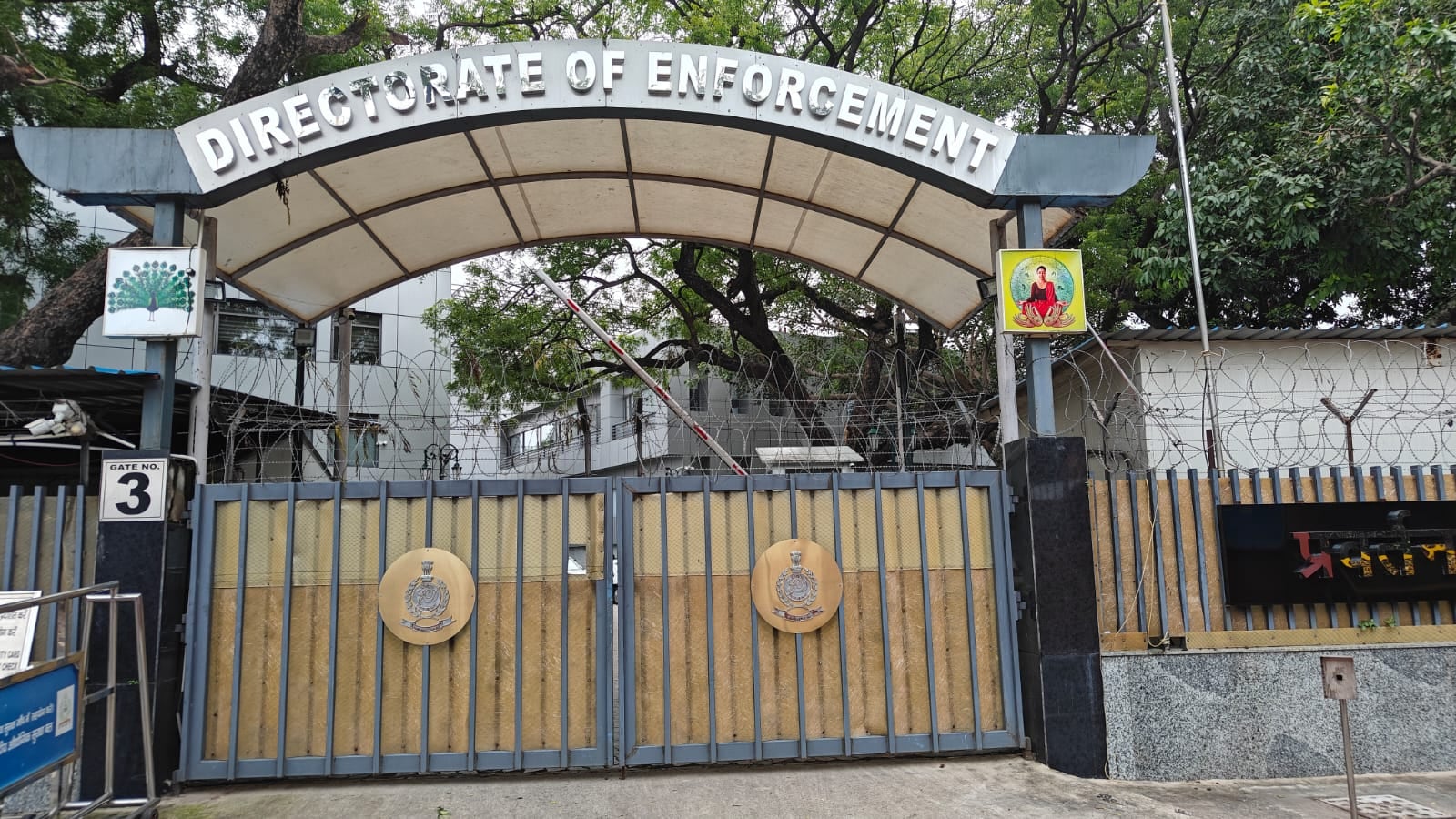
The Enforcement Directorate arrested advocate Rashesh Upadhyay, also known as Rashesh Shah, at Chhatrapati Shivaji Maharaj International Airport in Mumbai on Saturday as he prepared to board a flight to Delhi. Officers from the agency’s Panaji unit intercepted him at a boarding gate with assistance from Customs and the Central Industrial Security Force. The arrest is the seventh in a money-laundering investigation into an alleged nationwide cyber-fraud and “digital arrest” network.
Upadhyay was taken to Panaji and produced before a special court under the Prevention of Money Laundering Act. The court sent him to Enforcement Directorate custody until October 29. While seeking his remand, the agency alleged that he was a key node who helped release bank accounts frozen after police complaints by arranging bribes to officials through “Angadiyas, ” private cash-transfer intermediaries.
The investigation began after Goa Police registered a first information report on June 9, 2025. The case followed the alleged digital arrest of a Goa woman who was pressured into transferring ₹2. 60 crore between May 21 and June 2 of that year. Investigators say the money was moved through more than 400 accounts linked to commodity, travel and foreign-exchange companies operated through dummy directors. The funds were then withdrawn in cash and converted into foreign currency through Reserve Bank of India-licensed money changers.
The agency has linked the accounts to banking transactions of nearly ₹28,000 crore and cash deposits of about ₹2,900 crore. One account of the financial trail said ₹584 crore was deposited through 61,448 bulk-note-machine transactions, while companies involved were formally placed in the names of people including drivers and low-income employees although others allegedly controlled their accounts and operations.
The Enforcement Directorate has also alleged that Upadhyay registered as an advocate but never appeared or filed a Vakalatnama for the accused or their companies. In the underlying scheme, fraudsters impersonated law-enforcement officials during audio or video calls, threatened victims with arrest and pressured them to transfer money; such “digital arrests” have no legal basis in India, and suspected victims are urged to contact the national cybercrime helpline at 1930 or use cybercrime.