The committee’s Democratic minority said the holdings gained an average of 43% from the end of 2025. Its calculation used Trump’s financial disclosures, which report transaction values in ranges, and market data.
Their shares rose nearly 25% and 22%, respectively, from Feb. 20, before the conflict began, through the period examined. The committee said the totals could be higher because September and October transactions had not yet been disclosed.
The figures reflect estimates based on disclosed holdings and transaction ranges rather than exact trading totals.
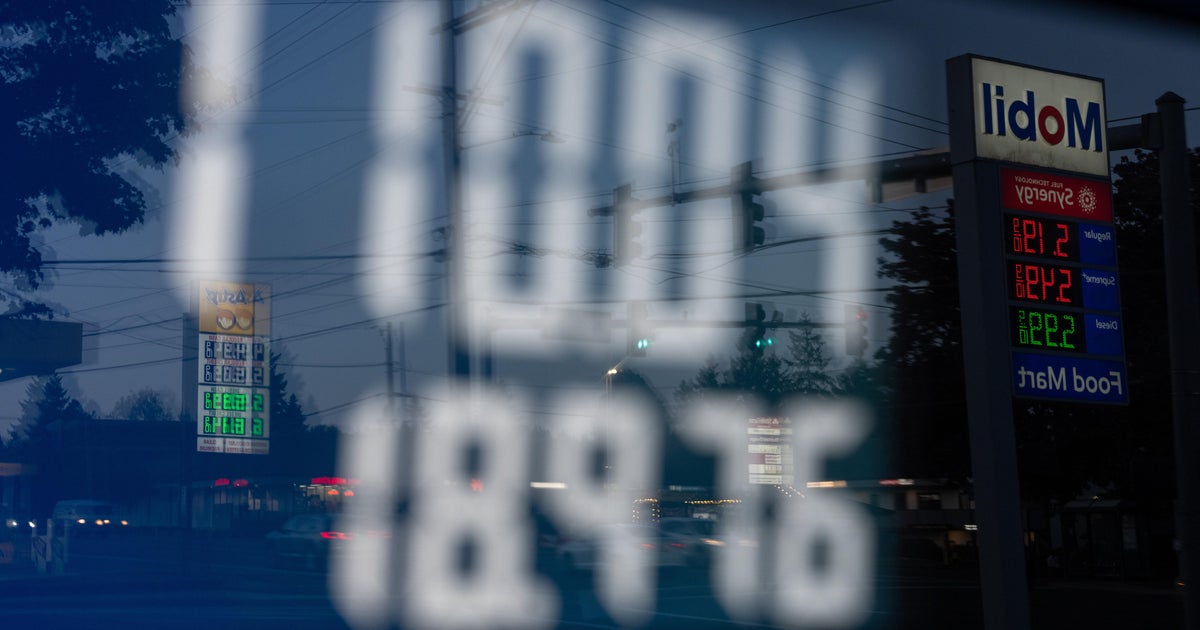
The gains came as the conflict disrupted regional oil exports, especially through the Strait of Hormuz. Although shipments from the Middle East later increased as exporters sought alternate routes and some traffic resumed, supply constraints and uncertainty pushed oil and gasoline prices higher in the United States. Energy companies in the S&P 500 rose more than 50% during the year, compared with roughly 11% for the broader index.
Trump highlighted the industry’s profits at a Saturday night event in Georgia, saying U.S. Oil and gas companies were making “hundreds of billions of dollars.” He has also criticized Chevron and ExxonMobil for making too much money from fuel profits. The White House said Trump does not direct the trades, describing the portfolio as independently managed through discretionary, computer-based model accounts designed to replicate recognized indexes. Spokesman Davis Ingle said neither Trump nor his family can influence investment decisions; Trump said in a July interview that his son Eric also handles his finances.
The reported energy holdings represent only a small share of Trump’s estimated $7 billion net worth, and the disclosed figures do not establish that he directed any investment decision.