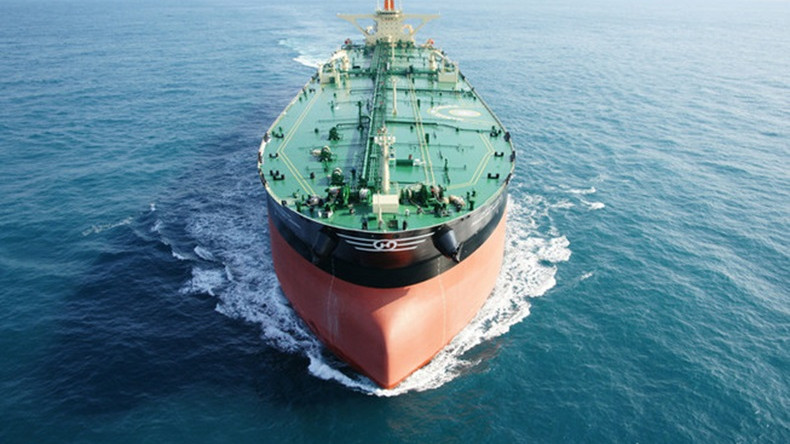
Crude-tanker freight has reached unprecedented levels as the conflict involving Iran disrupts normal shipping patterns and leaves vessels tied up in lengthy, inefficient voyages. Rates for very large crude carriers on Persian Gulf-to-Asia routes rose above $1 million a day in September before climbing another 40% in the first week of October to more than $1.4 million a day on Gulf-to-East Asia trips.
A key bottleneck is the use of ship-to-ship transfers in the Gulf of Oman. Tankers carrying Middle Eastern crude cross the Strait of Hormuz and wait outside it for cargo transfers, a process that can keep vessels occupied for days or weeks. The arrangement has allowed crude exports through Hormuz to recover, but it requires more ships and reduces the number available for other routes, including voyages from the U.S.
The shortage has spread beyond the largest vessels. Demand and daily rates for Suezmax and Aframax tankers have also risen as traders and oil buyers look for alternatives to scarce VLCC capacity. Middle Eastern crude exports exceeded pre-conflict levels on several days in late September, but the additional volume has intensified the competition for ships rather than easing the freight market.
The cost of moving crude between the United States and Asia illustrates the scale of the disruption. A supertanker offered for a Gulf Coast-to-Japan voyage was priced at $82 million, about 50% more than three weeks earlier. Trafigura also chartered the Alexandros for a U.S. Gulf Coast-to-China voyage at $76 million, compared with the usual $7 million to $10 million before the conflict; assuming a two-million-barrel cargo, that equals about $38 a barrel in freight.
Vitol chief executive Russell Hardy described the Hormuz shuttle system as highly inefficient and said there were not enough vessels available for the market.