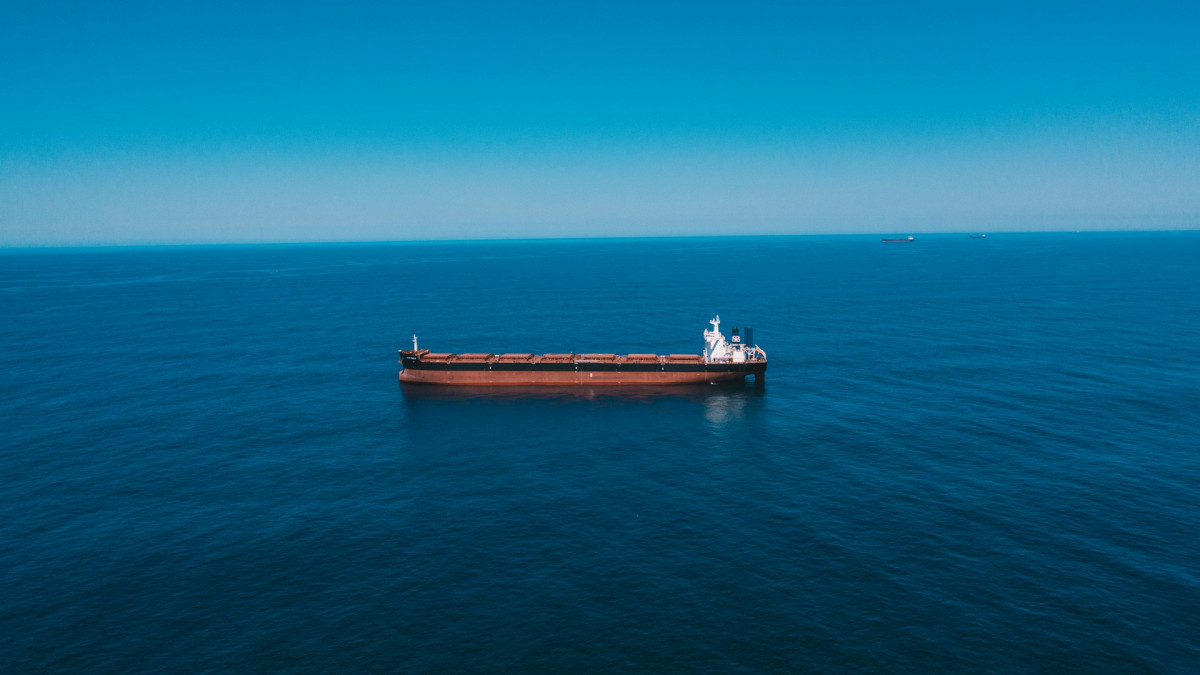
Four very large crude carriers previously associated with Venezuelan oil movements are being redirected toward Middle Eastern routes after changes to their sanctions status. Two are already being used to export crude from the Persian Gulf, while two others were traveling from South America toward the Gulf of Oman. The shift places vessels once associated with shadow-fleet activity into a market where tanker capacity has become unusually valuable.
The change follows a U.S. Plan to move some vessels from sanctioned or restricted trading into lawful carriage of unsanctioned oil. Energy Secretary Chris Wright said the ships would no longer carry sanctioned crude and described the policy as converting dark-fleet tankers into legitimate tankers. He estimated that the approach could add several dozen or potentially several hundred vessels to the available fleet, while saying the broader dark fleet numbered about 1,600 tankers.
The immediate incentive is the cost of moving oil through and around the Persian Gulf. Ship-to-ship transfers have become a regular part of the trade, and vessels involved in the Hormuz shuttle can wait at least a day and a half in the Gulf of Oman before transferring cargo. Freight costs on some routes have reached about $40 million, while a separate market assessment put spot charter rates for Hormuz transits at roughly $1 million per day on Sept.
The expanded use of these ships would not automatically make them acceptable to mainstream charterers. Industry assessments found that many sanctioned tankers are old, and that age, technical condition, insurance, classification, ownership transparency and compliance requirements can still prevent them from returning to ordinary commercial service. One analysis counted 1,226 oil and liquefied-petroleum-gas tankers sanctioned by Western authorities at the end of August, but found that only 148 deep-sea vessels were sanctioned solely by the U.S. The evidence indicates that the policy may redistribute existing tanker capacity rather than create a large reserve of idle ships, while leaving safety and insurance questions unresolved.