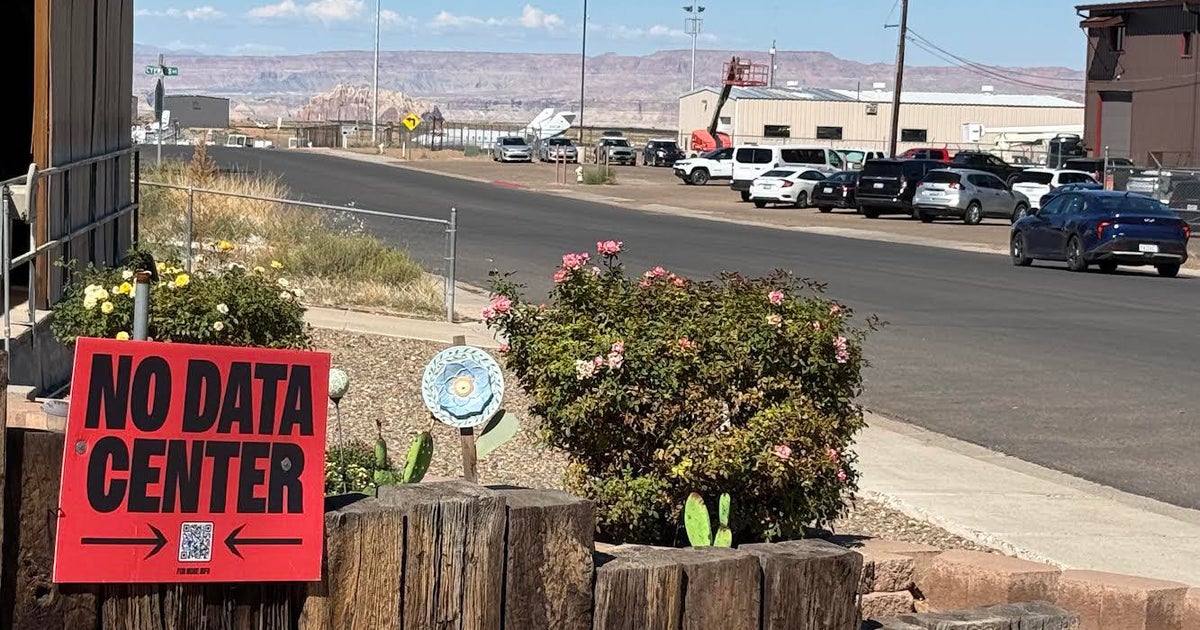
In Page, Arizona, a proposed $10 billion data center has transformed local concerns about noise, light, heat, water and air pollution into a national political issue. The city approved the sale of 500 acres near Horseshoe Bend, but the developer still needs zoning and other approvals, and the precise location within the parcel has not been determined. Residents have circulated petitions and placed “No Data Center” signs in neighborhoods near the proposed site. In July, voters removed the mayor amid backlash over the City Council’s decision to approve the land sale.
The health concerns remain framed as potential risks rather than documented injuries from the proposed Page facility. Data centers can use gas turbines and diesel generators during periods of peak demand, producing nitrogen oxides and other emissions. Cooling systems may involve chemicals that advocacy and environmental groups identify as persistent substances, while construction runoff and heavy metals can threaten waterways. Large facilities also operate with substantial lighting and mechanical equipment; residents fear that noise could cause hearing damage, while researchers have modeled possible population-level effects from emissions.
One University of California-Riverside-led model estimated that data-center emissions could be associated with nearly 1,300 deaths annually by 2030 and more than $20 billion in annual public-health costs in 2028. Those figures are projections, not a finding that the Page proposal will produce those outcomes. An industry trade group has countered that backup-power use is minimal in Virginia, the country’s largest data-center market, and that existing state and federal rules limit emissions and other impacts. The competing claims have left local approval decisions moving faster than the body of research on long-term health effects.
The dispute is now central to Arizona’s competitive 1st Congressional District race. Republican Jay Feely, who has President Donald Trump’s endorsement, says data centers are important to competing with China and argues that communities should decide whether to accept them. Democrat Amish Shah is calling for a pause on new construction in the district, saying Arizona’s water constraints make additional facilities unacceptable there.
Ohio has become another major battleground. Sherrod Brown is using the issue to attack Republican Sen. Jon Husted, portraying him as responsible for Ohio’s expansion during his time as lieutenant governor. Husted says data centers should remain a local decision and has supported requiring large users to cover added energy and infrastructure costs. Surveys cited in the campaign coverage found opposition to new facilities among 57% of Arizona respondents and 55% of Ohio respondents, turning a development debate into a test of whether voters will punish officials who backed the industry’s rapid growth.