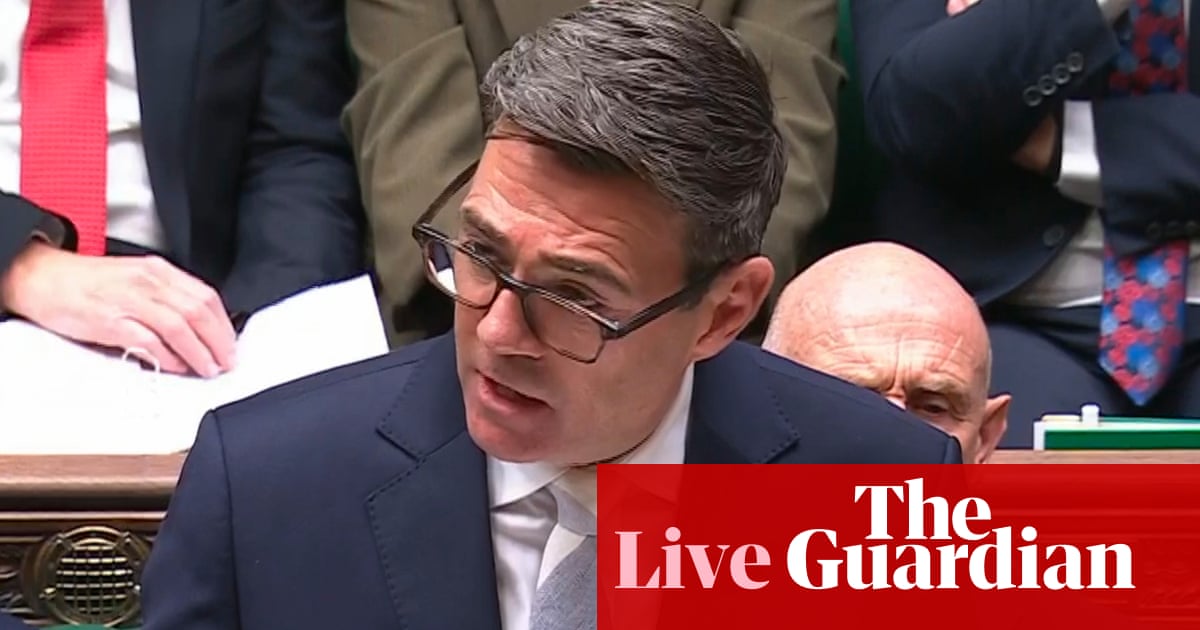
Prime Minister Andy Burnham told MPs that Britain must pursue a closer relationship with the European Union, arguing that preserving the current arrangements would be a “major dereliction of duty.” He said cooperation could support economic growth, improve migration controls and strengthen security, while insisting that the public would remain in charge of any long-term decision.
The agenda is expected to include agreements on food and drink trade, energy and emissions trading, youth mobility and cooperation on immigration. The government hopes the discussions will reduce post-Brexit barriers, while Burnham said the summit should be followed by a broader examination of Britain’s future options.
He did not propose a new referendum or a return to the EU. Burnham said the government would honour Labour’s manifesto and its existing red lines, including opposition to an immediate return to free movement. However, he declined to rule out reconsidering the single market after the next election, saying there was no deal currently on the table and that Britain should think about its long-term direction before negotiations develop.
The statement followed Burnham’s disclosure that he had been told Russia interfered in the 2016 Brexit referendum. He said Russian actors had also sought to interfere in the 2019 general election and that it was inconceivable this had been the first such attempt. He did not present publicly disclosed evidence that Russian activity changed the referendum result.
Downing Street said Burnham accepts the referendum as legitimate and does not believe Russian interference altered the outcome. Burnham also rejected Conservative leader Kemi Badenoch’s accusation that his comments cast doubt on the vote, saying he respected the result and was seeking a pragmatic approach to Britain’s current economic and security interests.
The dispute intensified as Burnham argued that closer European cooperation could help British industry and address the effects of Chinese exports. The controversy now sits alongside negotiations over the November summit, which could become an early test of whether the government’s proposed reset produces concrete agreements.