Washington lawmakers are advancing several proposals aimed at cushioning workers from possible artificial-intelligence-driven job losses, though none of the measures described has become law. The efforts include longer unemployment benefits, retraining support, new taxes on AI-related revenue and mandatory reporting on how automation affects hiring and layoffs.
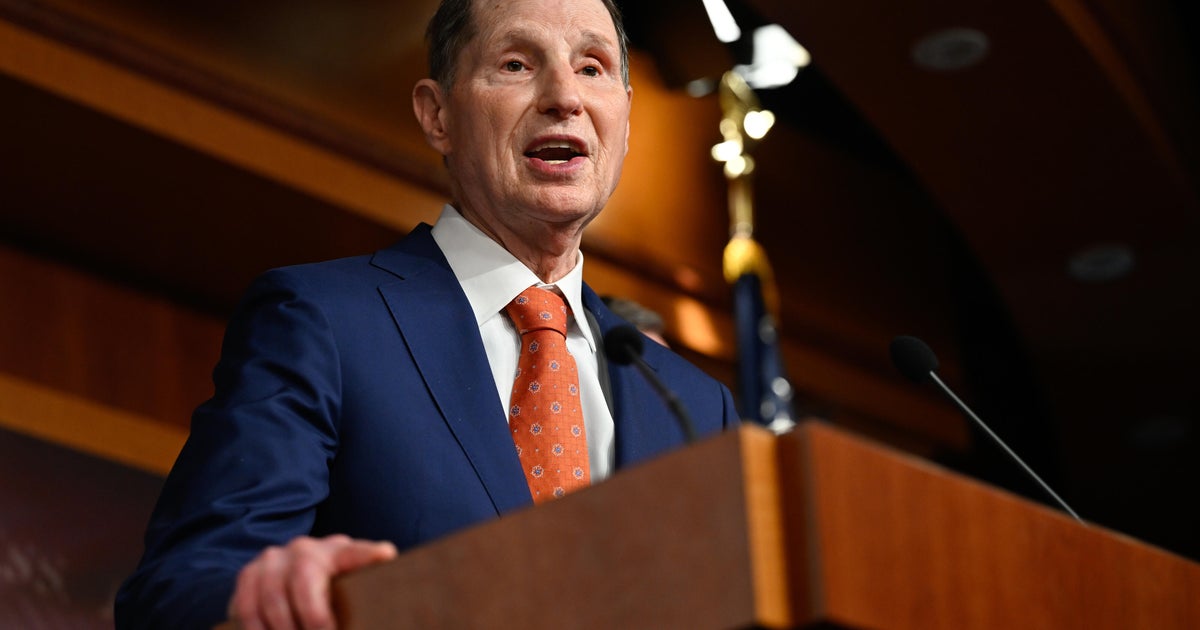
Ron Wyden’s Stability and Opportunity for Workers Act would expand unemployment benefits during periods of severe joblessness. The proposal would also provide education and retraining for workers displaced by AI, including preparation for higher-paying jobs.
Other lawmakers are looking at funding. Mark Kelly’s Make AI Work for Americans Act would establish an AI Horizon Fund and impose three proposed excise taxes: a 5% levy on covered digital advertising revenue, an AI-usage tax and a 50% tax on certain excess profits from AI development. Revenue could support worker training and other workforce investments.
Greg Casar, Valerie Foushee and Sara Jacobs have separately proposed the AI Tax and Work Protection Act. Their measure would tax certain AI uses, with rates linked to unemployment, and create a Work Protection Administration to finance jobs intended to offset AI-related layoffs. The proposals reflect different approaches: extending income support, financing retraining or directly creating employment.
The AI-Related Job Impacts Clarity Act, introduced by Sens. Josh Hawley and Mark Warner, would require covered companies and federal agencies to report AI-related job impacts to the Labor Department for public reporting.
The legislative activity follows warnings that AI could cause large-scale disruption, including a forecast that half of entry-level white-collar jobs could eventually disappear and unemployment could rise to 10% to 20% within one to five years. Those outcomes have not materialized in the supplied reporting; recent AI-linked layoffs have largely been concentrated in technology, while broader effects may also appear through slower hiring. Public concern remains high, with nearly 80% of surveyed Americans saying protecting workers in the AI era was extremely or very important. The immediate next step for each proposal is consideration in Congress, where lawmakers would have to resolve the measures’ costs, eligibility rules, tax definitions and reporting requirements before any protections could take effect.