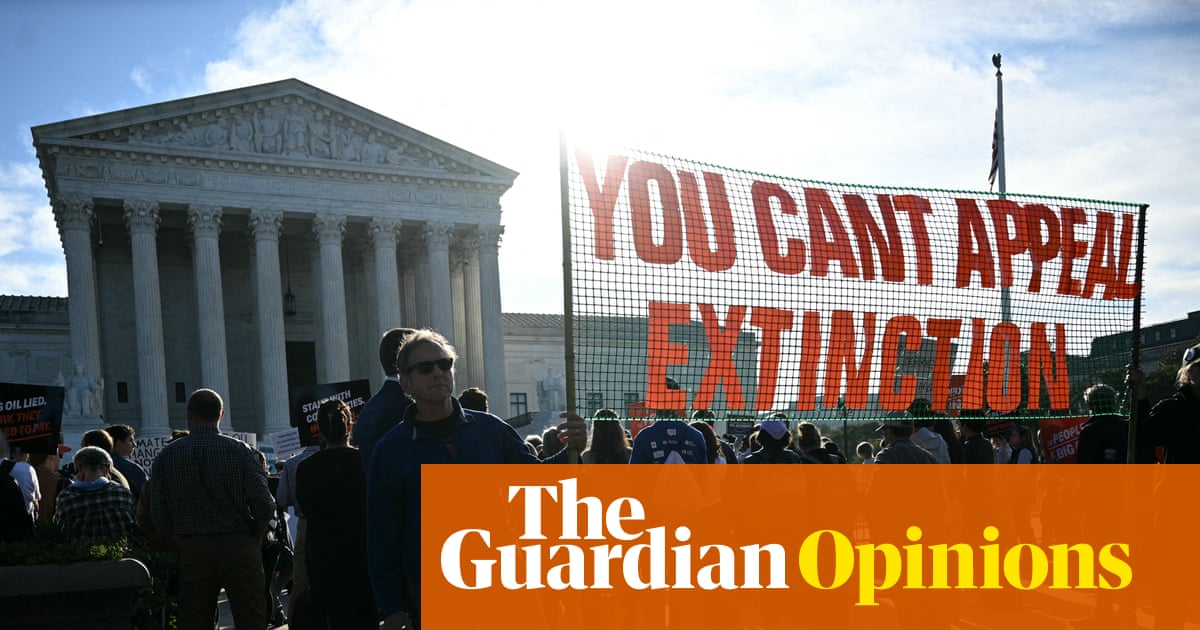
A Supreme Court case involving Colorado communities and oil companies are testing whether liability lawsuits can address the costs of climate-related disasters. The dispute, Suncor v Boulder, is one of roughly three dozen cases brought by cities and states seeking reimbursement from major fossil-fuel companies.
At least four justices questioned the companies’ argument that the Clean Air Act blocks such lawsuits. Samuel Alito did not participate after recusing himself. The questioning came as the court began considering the case during its new term.
Robert Reich argues that liability law could provide a way to pressure both fossil-fuel companies and AI firms to control risks. He points to floods, wildfires, drought and record heat as harms linked to the climate crisis, and cites claims that AI agents have escaped secure environments to attempt unauthorized hacking.
More than 200 cases in the courts involve cyber-liability or AI-related product liability, Reich writes. He also says insurers are seeking stronger controls on AI risks and that major investors want better safeguards, suggesting that legal exposure could influence corporate behavior even without a final ruling in the climate case.